Table of Contents
- Understanding Makeup Tool Kits in Australian Pharmacies
- What Is Included in a Typical Makeup Tool Kit
- Differences Between Entry-Level and Premium Makeup Tool Kits
- Material Types Used in Makeup Tools
- Hygiene, Cleaning, and Tool Longevity Considerations
- Comparing Value Versus Convenience in Tool Kits
- Suitability of Makeup Tool Kits for Different Routines
- Pharmacy Standards and Product Selection Practices
- Online vs In-Store Makeup Tool Kit Comparisons
- Sustainability and Packaging Considerations
- Making an Informed Comparison
- Frequently Asked Questions (FAQs)
Understanding Makeup Tool Kits in Australian Pharmacies
Makeup tool kit comparisons help Australian consumers better understand how beauty accessories are grouped, described, and sold through pharmacy channels. These kits are designed to provide convenience by offering multiple commonly used tools in a single package, rather than focusing on individual selection. In Australian pharmacies, makeup tool kits are curated to meet general consumer expectations around accessibility, clear labelling, and everyday usability.
Unlike professional or specialist tool collections, pharmacy-sold kits typically prioritise versatility and ease of use. This makes them suitable for a wide range of personal routines without requiring technical expertise. When comparing kits, consumers often look at what tools are included, how they are stored, and how the overall set fits into existing personal care habits.
From an informational perspective, comparisons focus on composition and practicality rather than outcomes. This aligns with Australian consumer standards, which emphasise transparency and informed choice. Shoppers may browse the Makeup Tool Kits product range within pharmacy accessory categories while also referencing general retail guidance from the Australian Competition and Consumer Commission (ACCC) regarding product descriptions and fair comparison practices.
What Is Included in a Typical Makeup Tool Kit
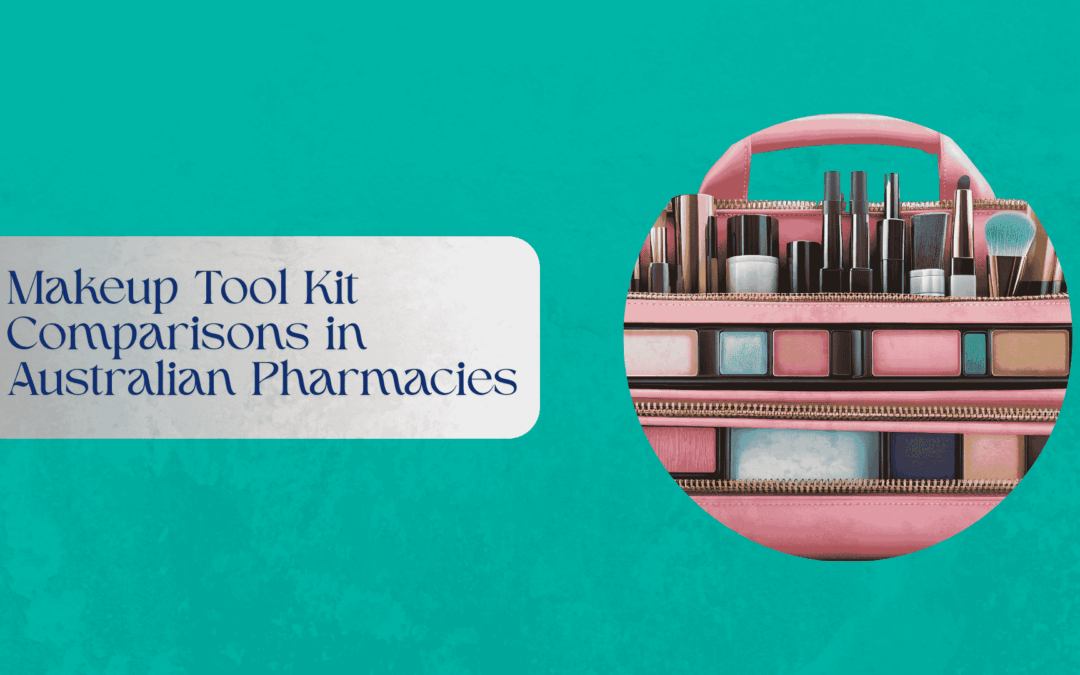
A typical pharmacy-sold kit usually contains a selection of beauty accessory sets designed for general cosmetic application. Common inclusions are face brushes, eye brushes, blending tools, applicator sponges, and sometimes grooming accessories such as tweezers. The number of items can vary, but packaging generally lists each component clearly.
Australian pharmacies aim to offer kits that are broadly suitable rather than highly specialised. This means tools are often multi-purpose and designed to fit a variety of routines. Some kits include compact storage cases, while others focus solely on the tools themselves. When comparing different kits, understanding what is included helps consumers decide whether the set complements their existing accessories.
Neutral comparison encourages looking beyond item count and considering whether the included tools are likely to be used regularly. General product labelling standards outlined by Australian Government consumer guidance help explain how contents should be described and presented to shoppers.
Differences Between Entry-Level and Premium Makeup Tool Kits
Comparisons between entry-level makeup kits and higher-priced alternatives often centre on materials, design, and overall presentation. Entry-level kits typically focus on affordability and convenience, providing essential tools for everyday routines. These kits are commonly positioned for broad consumer use rather than any specific application style.
Premium kits may include additional brush shapes, refined finishes, or enhanced storage solutions. However, Australian pharmacies present these differences without suggesting superiority or outcomes. The distinction is usually communicated through pricing, materials, and packaging rather than claims.
For consumers, comparing different tiers involves assessing whether added features align with personal preferences. Australian retail education resources, including guidance from the ACCC, support informed price and value comparisons without promotional language. Exploring the Makeup Tool Kits category allows side-by-side review of various options.
Material Types Used in Makeup Tools
The makeup brush materials used in pharmacy kits are selected for durability and general consumer suitability. Synthetic fibres are common due to consistency and ease of maintenance. Handles may be made from plastic, aluminium, or coated composites, each offering different weight and grip characteristics.
Applicator sponges and foam tools are also frequently included for general use. Pharmacies prioritise materials that meet consumer safety and labelling expectations rather than promoting performance attributes. Comparing materials helps shoppers understand handling preferences and maintenance needs.
Australian consumer product standards outline expectations for material disclosure, supporting transparent comparison across different kits.
Hygiene, Cleaning, and Tool Longevity Considerations
Makeup tool hygiene is an important consideration when reviewing kits intended for repeated use. Pharmacy-sold tools are generally designed to be cleaned using common household methods, with basic care instructions provided by manufacturers.
Neutral comparison focuses on how easy tools are to clean and store rather than making assumptions about longevity. Kits with simpler designs or fewer components may be easier to maintain. Australian consumer education bodies encourage following manufacturer guidance and regularly reviewing tool condition as part of everyday personal care.
Browsing pharmacy accessory listings allows consumers to compare care instructions across different kits before purchase.
Comparing Value Versus Convenience in Tool Kits
The appeal of makeup kit value comparison lies in balancing convenience against personal needs. Kits offer a ready-made selection of tools, which can simplify shopping. However, value depends on how many included items will be used regularly.
Australian pharmacies present kits as practical groupings rather than cost-saving guarantees. Comparing kits involves assessing overlap with existing tools and considering storage preferences. General retail guidance from the ACCC explains how bundled products can be evaluated without promotional bias.
Suitability of Makeup Tool Kits for Different Routines
Everyday makeup routines often benefit from tool kits designed for general use. Pharmacy kits usually include versatile tools that support simple, consistent routines rather than specialised techniques. This makes them suitable for a wide range of users.
Comparing kits involves reviewing tool balance, such as face-focused versus eye-focused selections. Australian consumer lifestyle resources discuss general accessory usage without making performance claims, supporting neutral evaluation.
Pharmacy Standards and Product Selection Practices
Australian pharmacies follow established standards when curating pharmacy beauty accessories. Selection criteria include supplier compliance, clear labelling, and alignment with consumer expectations. This ensures consistency across in-store and online platforms.
Understanding these standards helps consumers compare kits with confidence, knowing products meet baseline retail requirements. Oversight from bodies like the ACCC influences how products are described and displayed.
Online vs In-Store Makeup Tool Kit Comparisons
Comparing online chemist shopping with in-store browsing highlights differences in information access. Online listings provide detailed descriptions and images, while in-store shopping allows physical inspection.
Australian consumer guidance supports using both channels to gather information. Online pharmacy platforms make it easier to compare multiple kits efficiently.
Sustainability and Packaging Considerations
Beauty kit packaging varies across pharmacy offerings, with some kits including reusable cases and others using standard retail packaging. Pharmacies describe packaging materials factually, allowing consumers to consider storage and disposal preferences.
Australian consumer education encourages reviewing packaging information to support informed choices.
Making an Informed Comparison
Comparing makeup tool kits available through Australian pharmacies involves understanding contents, materials, convenience, and suitability for everyday routines. Neutral comparison avoids focusing on outcomes and instead supports informed decision-making based on personal preferences.
Exploring the Makeup Tool Kits product range enables consumers to review options clearly and consistently. Additional guidance from the Australian Competition and Consumer Commission supports transparent comparison practices.
Frequently Asked Questions (FAQs)
- What is the purpose of a makeup tool kit?
- A makeup tool kit provides a grouped selection of commonly used beauty accessories for convenience. Pharmacy-sold kits are designed for general home use and everyday routines, with clear product descriptions to support informed choice. Australian consumer guidance encourages reviewing contents before purchase.
- Are makeup tool kits suitable for regular home use?
- Makeup tool kits are commonly positioned for regular home routines. Australian pharmacies curate kits to support broad usability, with general care instructions provided by manufacturers. Consumers are encouraged to follow product guidance and review tool condition regularly.
Mandatory Disclaimer
“This content is for general informational purposes only and is not intended as medical or professional advice. Always seek the guidance of a qualified professional regarding any questions about personal wellbeing or products.”