by iamrolanddiaz | Dec 24, 2025 | Comparison
Table of Contents
- Understanding Complementary Medicine in Australia
- Herbal-based products
- Traditional medicine systems
- Nutritional approaches
- Physical manual practices
- Mind–body modalities
- Aromatherapy practices
- Homeopathic preparations
- Natural topical formulations
- Australian regulatory framework
- Choosing Complementary Medicine Information Responsibly
- Navigating Complementary Medicine Categories with Confidence
- Frequently Asked Questions (FAQ)
Understanding Complementary Medicine in Australia
Complementary medicine is an umbrella term used to describe a wide range of practices and product categories that exist alongside conventional healthcare. In Australia, these categories are commonly explored by consumers seeking to better understand traditional practices, culturally informed approaches, and non-prescription product groupings available through pharmacy and retail channels. Importantly, complementary medicine is not positioned as a substitute for medical diagnosis or treatment, and information is presented in a neutral, educational manner.
Australian pharmacy platforms often organise complementary medicine content to improve discoverability and consumer understanding, rather than to promote outcomes or uses. These categories help users compare formats, origins, and regulatory classifications across different approaches. A single neutral reference to Complementary Therapies may be included to guide browsing without implying suitability for individual needs.
Regulatory oversight in Australia is provided by the Therapeutic Goods Administration (TGA), which outlines how complementary medicine products are listed, labelled, and monitored. For authoritative background information, Australian Government health resources offer publicly accessible guidance on consumer protections, advertising standards, and therapeutic goods regulation.
Herbal-based products
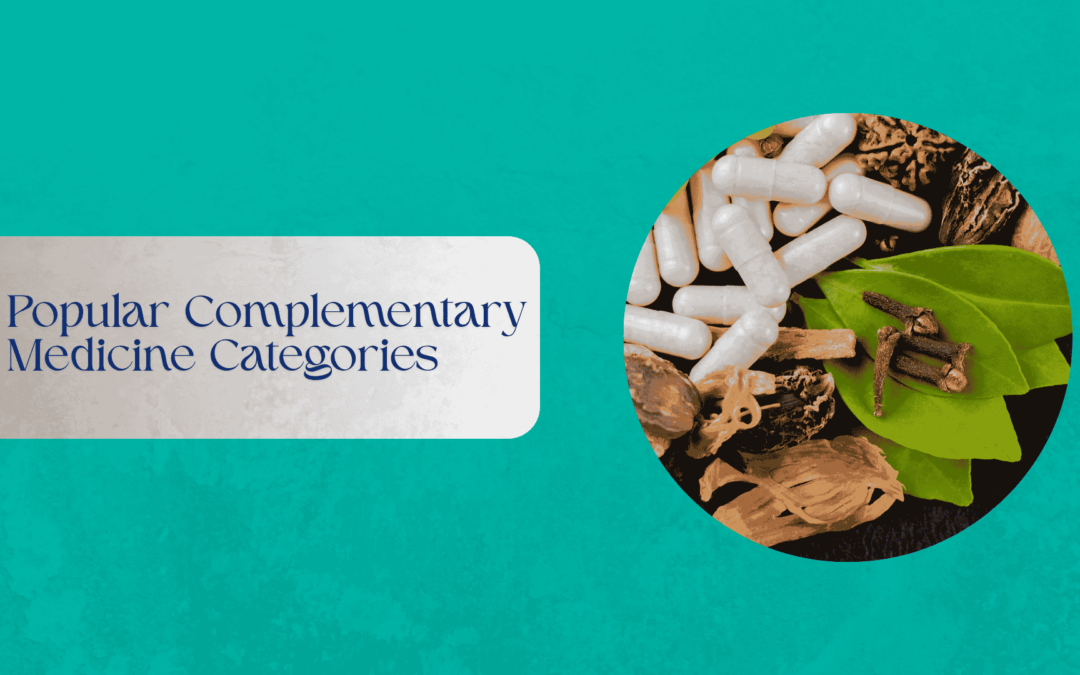
Herbal-based products are one of the most recognised categories within complementary medicine. These products are derived from plant materials such as leaves, roots, flowers, or bark and are often associated with traditional or historical use across different cultures. In an Australian pharmacy context, herbal products are presented factually, focusing on ingredient origin and classification rather than outcomes or effects.
Educational content relating to this category explains how herbal ingredients are sourced and how they are commonly grouped within retail environments. Descriptions remain neutral and avoid references to treatment, prevention, or symptom management. This approach ensures compliance with Australian advertising and consumer law while supporting informed browsing.
Herbal products are commonly grouped within broader complementary medicine ranges to assist navigation and comparison. Consumers are encouraged to consult authoritative regulatory sources, such as the TGA, for information on how herbal products are assessed, listed, and monitored within Australia’s therapeutic goods framework.
Traditional medicine systems
Traditional medicine systems refer to culturally rooted practices that have developed over long historical periods. These systems are often associated with specific regions, philosophies, and cultural traditions, and are recognised in Australia primarily for their cultural and historical significance.
When discussed in pharmacy education content, traditional medicine systems are described in terms of origin, structure, and philosophical background rather than use or effectiveness. This ensures respectful representation while maintaining regulatory compliance. Australian standards require that cultural practices are not misrepresented or promoted with unsupported claims.
Consumers seeking to learn more about traditional systems are encouraged to access neutral educational resources and government-endorsed information portals. Pharmacy blogs may include this category as part of a broader complementary medicine overview to support general awareness and understanding.
Nutritional approaches
Nutritional approaches within complementary medicine focus on food-based philosophies, dietary traditions, and naturally occurring components commonly discussed in lifestyle contexts. In Australian pharmacy education, these approaches are explained without reference to supplementation, deficiencies, or physiological outcomes.
Content in this category emphasises general concepts, historical background, and how nutritional ideas are grouped within complementary medicine discussions. This ensures alignment with Australian compliance standards and avoids crossing into regulated health or nutrition claims.
Australian Government agencies provide guidance on food standards and consumer information, which can be referenced for readers seeking authoritative clarification. Nutritional approaches are included in complementary medicine education to support informed comparison rather than decision-making.
Physical manual practices
Physical manual practices include hands-on or movement-based approaches traditionally associated with complementary wellness philosophies. These practices are discussed in general terms, focusing on what they involve rather than what they claim to achieve.
Australian pharmacy content treats this category as informational only, outlining historical context and common characteristics. This neutral framing ensures compliance with advertising regulations and avoids implying suitability for individual circumstances.
For consumers seeking further information, Australian health authorities provide guidance on professional standards and consumer awareness related to physical practices. Pharmacy blogs include this category to help readers understand how physical approaches differ from product-based complementary options.
Mind–body modalities
Mind–body modalities are commonly referenced within complementary medicine as practices that focus on awareness, attention, or intentional movement. In compliant Australian content, these modalities are described without reference to mental health, emotional outcomes, or therapeutic benefit.
Educational explanations focus on traditional descriptions and how these modalities are categorised within complementary medicine frameworks. This allows readers to understand classification without exposure to misleading or non-compliant claims.
Authoritative Australian health resources offer neutral explanations of wellbeing concepts, helping consumers place mind–body modalities within a broader public health context.
Aromatherapy practices
Aromatherapy practices involve the use of scents and aromatic materials within personal or lifestyle routines. In Australia, aromatherapy is discussed as a sensory-based category rather than a health-related one.
Pharmacy education content explains how aromatherapy practices are traditionally described and how aromatic products are classified under Australian regulations. All references remain factual and avoid claims related to mood, health, or physiological response.
The TGA provides public guidance on the classification and labelling of aromatic products supplied in retail environments, supporting transparency and consumer understanding.
Homeopathic preparations
Homeopathic preparations represent a distinct category within complementary medicine, defined by specific preparation principles and regulatory requirements. In Australian content, these products are explained in terms of classification and oversight rather than use.
Educational material outlines how homeopathic products are listed and regulated, ensuring consumers understand their place within the therapeutic goods framework. This neutral approach supports compliance and informed awareness.
Australian Government regulatory guidance remains the primary authoritative reference for understanding how homeopathic preparations are supplied and monitored.
Natural topical formulations
Natural topical formulations include externally applied products that are commonly grouped within complementary medicine. These formulations are described based on format, ingredients, and traditional context rather than effects or outcomes.
Australian pharmacy blogs explain how topical products are categorised and labelled under regulatory standards. This supports consumer understanding while maintaining compliance with advertising and consumer law.
Readers are encouraged to refer to authoritative regulatory resources for guidance on product labelling, safety monitoring, and consumer responsibilities.
Australian regulatory framework
The Australian regulatory framework for complementary medicine is overseen primarily by the Therapeutic Goods Administration. Products are assessed, listed, or registered depending on risk profile, ingredients, and intended presentation.
Understanding this framework helps consumers interpret complementary medicine information accurately. Pharmacy education content plays a key role in directing readers to authoritative sources for regulatory clarity and public guidance.
Australian Government health portals provide up-to-date information on therapeutic goods compliance, advertising standards, and consumer protections.
Choosing Complementary Medicine Information Responsibly
When exploring complementary medicine categories, accessing reliable and neutral information is essential. Consumers are encouraged to rely on reputable pharmacy education platforms and authoritative Australian sources.
Understanding regulatory boundaries and category definitions supports informed awareness without introducing confusion or misinformation. Structured content and clear categorisation help readers compare options responsibly.
Navigating Complementary Medicine Categories with Confidence
Complementary medicine includes a diverse range of categories, each shaped by historical, cultural, and regulatory factors. From plant-derived items to sensory-based practices and culturally rooted systems, understanding these categories helps Australian consumers engage with information responsibly.
Online pharmacy platforms organise these topics to support awareness and comparison, not to promote outcomes. A single neutral reference to Complementary Therapies allows readers to explore related categories in an organised way while remaining compliant.
For continued learning, consumers are encouraged to consult Australian Government and TGA resources alongside trusted pharmacy education blogs. This balanced approach supports informed understanding, transparency, and consumer safety.
Frequently Asked Questions (FAQ)
- What does “complementary medicine” mean in an Australian pharmacy context?
- In Australia, complementary medicine is a broad classification used to group certain products and practices that sit outside conventional prescription medicines. Within pharmacy and online retail settings, the term is used for organisational and informational purposes rather than to indicate effectiveness or suitability. These categories help consumers browse and compare different product types or traditions while remaining aligned with Australian advertising and consumer protection requirements. Regulatory oversight is provided by the Therapeutic Goods Administration, which determines how such products may be listed, labelled, and supplied.
- Are complementary medicine categories regulated in Australia?
- Yes, complementary medicine categories are regulated in Australia, primarily through the Therapeutic Goods Administration. Regulation depends on how a product is classified, its ingredients, and how it is presented to consumers. Some products are listed or registered as therapeutic goods, while others may fall under general consumer product regulations. Australian Government resources provide clear guidance on compliance, safety monitoring, and advertising rules, helping consumers understand how these categories are managed within the national regulatory framework.
- Why are complementary medicine products grouped into categories online?
- Online pharmacy platforms group complementary medicine products into categories to improve navigation, transparency, and consumer understanding. Categorisation allows shoppers to explore similar items, formats, or traditions without implying health outcomes or personal suitability. This structured approach supports comparison-based browsing and helps ensure content remains neutral and compliant with Australian law. Category groupings are informational tools rather than recommendations or endorsements.
- Can complementary medicine information replace professional advice?
- No, complementary medicine information provided through pharmacy blogs or category pages is intended for general awareness only. It does not replace advice from qualified health or medical professionals. Australian compliance standards require that educational content avoids personalised guidance or claims. Consumers are encouraged to consult appropriate professionals for individual questions and to rely on authoritative Australian Government sources for verified information.
- Where can consumers find reliable information about complementary medicine in Australia?
- Reliable information about complementary medicine in Australia can be found through reputable pharmacy education platforms and official Australian Government resources. The Therapeutic Goods Administration publishes public guidance on product regulation, safety, and consumer responsibilities. These sources help consumers understand how complementary medicine categories are defined and regulated, supporting informed and responsible awareness.
Mandatory Disclaimer
“This content is for general informational purposes only and is not intended as medical or professional advice. Always seek the guidance of a qualified professional regarding any questions about personal wellbeing or products.”
by iamrolanddiaz | Dec 24, 2025 | Comparison
Table of Contents
- Understanding the Purpose of a Wind-Down Routine
- Evening Habits and Daily Transitions
- Designing a Calm Night-Time Environment
- Managing Digital Screen Exposure
- Incorporating Relaxation Techniques
- Establishing Routine Consistency
- Selecting Night-Focused Products
- Quiet Activities and Mindful Evenings
- Creating Lifestyle Boundaries
- Adapting Routines for Flexible Schedules
- Supporting Sleep Preparation Habits
- Frequently Asked Questions (FAQs)
Understanding the Purpose of a Wind-Down Routine
A wind-down routine refers to a structured set of calm activities performed in the evening to help signal the transition from daytime responsibilities to rest. In busy modern lifestyles, especially those involving extended screen use or irregular working hours, evenings can feel rushed or overstimulating. A routine provides a predictable structure that supports balance without focusing on outcomes.
Australian health information platforms frequently highlight routines as part of everyday lifestyle organisation. Rather than aiming for specific results, a wind-down routine focuses on consistency, environment, and personal comfort. These routines may include changes to lighting, noise levels, and activity choices that naturally reduce stimulation.
Some people choose to include items from pharmacy retail categories, such as Night-Time Wellness Products, as part of their evening routine when they align with personal preferences and are used as directed. These products are not positioned as solutions, but as optional components within a broader lifestyle structure.
For general guidance on evening routines and sleep-related habits, healthdirect Australia and the Sleep Health Foundation offer neutral, evidence-informed resources suitable for Australian audiences.
Evening Habits and Daily Transitions
Evening habits play an important role in how individuals move from active daytime schedules into quieter periods. Without clear transitions, work tasks, notifications, and household demands may extend late into the evening. Establishing consistent evening habits helps define a clear endpoint to the day.
Simple actions such as tidying workspaces, preparing items for the next day, or changing into comfortable clothing can signal that the active phase of the day is ending. These habits do not need to be complex to be effective as part of a routine.
From a pharmacy content perspective, night-related product categories are sometimes incorporated into these habits as optional elements. Their inclusion is based on convenience or familiarity rather than expectation.
Australian lifestyle guidance often focuses on repetition and practicality. Readers may explore related sleep and relaxation blog content for additional lifestyle ideas, while Sources like healthdirect Australia provide broader context on daily routines.
Designing a Calm Night-Time Environment
The physical environment is a key component of an effective wind-down routine. A night-time environment is typically quieter, softer in lighting, and free from unnecessary distractions. Gradually adjusting the environment each evening can support a smoother transition into rest periods.
Common environmental changes include dimming overhead lights, reducing background noise, or closing curtains to minimise outside light. These actions help establish familiarity and consistency, which are central to routine-building.
Some individuals choose to integrate pharmacy-sourced night items into their environment, such as products intended for evening use. These items are selected based on personal preference and are used as part of a broader routine rather than in isolation.
Authoritative organisations like the Sleep Health Foundation discuss the role of environment in evening routines in a general, non-clinical manner. Related category or blog pages can support further exploration.
Managing Digital Screen Exposure
Screen use is one of the most common challenges when creating an evening routine. Phones, tablets, and televisions are often used well into the night, making it harder to establish consistent habits. Managing digital screen exposure does not require complete avoidance, but rather intentional use.
Some people choose to set time limits, adjust brightness settings, or switch to non-interactive content in the evening. Others replace screens with quieter activities for part of their routine. These adjustments are lifestyle choices rather than rules.
Night routines may include products from pharmacy categories that fit naturally alongside reduced screen use, such as items used during reading or relaxation periods.
For neutral, educational information about screen habits, healthdirect Australia provides accessible guidance. Readers can link to related lifestyle blogs that discuss evening routines without promotional intent.
Incorporating Relaxation Techniques
Relaxation techniques are commonly included in wind-down routines because they are flexible and easy to adapt. These techniques may involve slow breathing, gentle stretching, or listening to calm audio content.
The focus of these practices is to slow the pace of the evening rather than to achieve a specific result. Over time, repeating the same techniques can help them become familiar signals that the day is ending.
Some people choose to pair relaxation techniques with night-oriented products sourced from pharmacy categories. These products are used according to instructions and personal comfort, without positioning them as outcomes-based tools.
Australian public health organisations frequently describe relaxation as part of general lifestyle balance. Sleep and relaxation blog categories can help readers explore related ideas.
Establishing Routine Consistency
Consistency is one of the most important aspects of any wind-down routine. Performing similar activities at roughly the same time each evening helps reinforce patterns that are easier to maintain over time.
Routine consistency does not require strict schedules. Instead, it involves creating a repeatable sequence of actions that fit within daily life. This may include a set order of activities, such as tidying, changing lighting, and engaging in quiet tasks.
When night products are included, they are often placed at the same point within the routine for familiarity. Their role is supportive rather than central.
Sources like healthdirect Australia highlight the value of consistency in daily habits. Readers may explore additional informational content on routine-building.
Selecting Night-Focused Products
Choosing products designed for evening use is a personal decision influenced by preference, ease of use, and routine compatibility. In a pharmacy context, night-focused products are presented as part of a broader category rather than as standalone solutions.
When selecting items, it may be helpful to consider how they fit into an existing routine and whether they are easy to use consistently. Simplicity often supports long-term routine adherence.
The Night-Time Wellness Products category provides an overview of items commonly associated with evening routines, allowing consumers to make informed, neutral choices.
For consumer education, Australian health information platforms emphasise reading labels and following usage directions. Category pages and related blogs can support informed exploration.
Quiet Activities and Mindful Evenings
Quiet activities are a natural fit for wind-down routines because they require minimal stimulation. Reading printed books, journaling, or organising thoughts for the next day are commonly chosen options.
Mindful evenings focus on presence and simplicity rather than productivity. These activities can be adapted to suit individual preferences and time availability, making them accessible across different lifestyles.
Night products may be incorporated alongside these activities if they align with personal routines. Their inclusion remains optional and supportive.
The Sleep Health Foundation discusses the value of quiet evening activities as part of general routine-building. Relaxation-focused blog content can provide additional insights.
Creating Lifestyle Boundaries
Lifestyle boundaries help separate daytime responsibilities from evening routines. Without boundaries, work tasks and notifications can easily extend into the night, disrupting routine consistency.
Boundaries may involve setting a cut-off time for work-related activities or physically separating workspaces from relaxation areas. Even small actions can reinforce the transition from day to night.
Some individuals include night-oriented products as part of this boundary-setting process, using them only during evening routines.
Australian public health resources often highlight balance as a key aspect of daily structure. Related lifestyle blogs can expand on this topic.
Adapting Routines for Flexible Schedules
Not everyone follows a traditional schedule. Shift workers, caregivers, and those with variable routines may need to adapt their wind-down habits accordingly. Flexibility allows routines to remain practical rather than restrictive.
Instead of fixed times, some people focus on consistent activities that can be performed whenever their day ends. This approach maintains routine structure while accommodating changing schedules.
Night products can be included when appropriate, based on availability and preference, without being essential to the routine.
For general advice, healthdirect Australia offers neutral guidance on managing routines around different lifestyles. Blog links can support further exploration.
Supporting Sleep Preparation Habits
A wind-down routine is a practical way to create structure at the end of the day. By focusing on consistency, environment, and manageable activities, individuals can support sleep preparation habits without relying on complex strategies.
Evening routines may include quiet activities, environmental adjustments, and optional night-focused products when they align with personal preferences. The emphasis remains on routine-building rather than outcomes.
Readers interested in exploring relevant categories may review Night-Time Wellness Products as part of an informed browsing experience. Additional informational blogs within the sleep and relaxation category can also provide helpful context.
For authoritative, neutral information, Australian resources such as healthdirect Australia and the Sleep Health Foundation remain reliable references for understanding everyday routines.
Frequently Asked Questions (FAQ)
- What is a wind-down routine?
- A wind-down routine is a set of consistent evening activities that help transition from daytime tasks to rest. It focuses on predictability and calm rather than specific outcomes.
- How long should an evening routine be?
- Routine length varies depending on lifestyle. Some people prefer short routines, while others allow more time. Consistency is generally more important than duration.
- Are night products required for a routine?
- Night products are optional and may be included based on personal preference. They are typically used as part of a broader routine rather than independently.
Mandatory Disclaimer
This content is for general informational purposes only and is not intended as medical or professional advice. Always seek the guidance of a qualified professional regarding any questions about personal wellbeing or products.
by iamrolanddiaz | Dec 24, 2025 | Comparison
Table of Contents
- Introduction
- Assessing Your Current Home Pharmacy
- Creating a Seasonal Checklist
- Storing Products Safely
- Labeling and Expiration Management
- Keeping an Inventory Record
- Organising by Use and Accessibility
- Preparing for Common Home Situations
- Maintaining Cleanliness and Hygiene
- Digital Tools for Home Pharmacy Management
- Conclusion
- Frequently Asked Questions (FAQs): Organising Your Home Pharmacy
Introduction
Organising your home pharmacy at the start of the year can help ensure easy access to essential items when needed. A well-maintained home pharmacy supports household readiness and daily organisation. By taking a systematic approach, you can manage your Home Pharmacy Essentials efficiently, reduce clutter, and prevent outdated or misplaced products.
Start by assessing your current items and noting what needs replenishment. Keeping your supplies organised reduces unnecessary purchases and streamlines routines. For neutral guidance on managing home health items, the Australian Government Department of Health provides useful tips.
An annual review ensures your essentials are accessible and safely stored. With a clear plan, your home pharmacy system can remain practical, reliable, and easy to maintain throughout the year.
:Home Pharmacy Essentials
:Australian Government Department of Health – Home Health Tips
Assessing Your Current Home Pharmacy
Before reorganising, review your current supplies. Take everything out and group items into categories such as first aid, everyday items, and home care products. Identify expired, damaged, or unnecessary items. Removing clutter helps focus on the essentials.
Consider separating items for children, adults, and pets to avoid mix-ups. While reviewing your Home Pharmacy Essentials, note items requiring replacement or replenishment.
For safe product storage advice, Better Health Channel Australia provides practical guidance. A clear assessment ensures items are easy to locate and maintain.
:Home Pharmacy Essentials
:Better Health Channel – Safe Storage Tips
Creating a Seasonal Checklist
Seasonal checklists help keep your home pharmacy prepared year-round. Divide the year into quarters or seasons and identify items to restock for each period. For example, summer may require extra sun-care items, winter may highlight general household essentials.
Check expiration dates, assess inventory levels, and adapt to changes in household needs. Seasonal planning encourages consistent organisation and reduces last-minute shopping.
For neutral home organisation strategies, Good Housekeeping Australia offers ideas on practical routines. Using a checklist helps your Home Pharmacy Essentials remain accessible and organised.
:Home Pharmacy Essentials
:Good Housekeeping Australia – Home Organisation
Storing Products Safely
Proper storage maintains the integrity of your items. Keep products in cool, dry locations away from sunlight, heat, and humidity. Avoid storing near ovens or radiators, as temperature changes can affect product stability.
Use storage bins, drawers, or cabinets, clearly labelled by category. Safety is essential in households with children or pets; lockable storage or high shelves is recommended.
For guidance on household storage, ACCC provides neutral safety advice. Proper storage keeps Home Pharmacy Essentials organised and easily accessible.
:Home Pharmacy Essentials
:ACCC – Household Safety Tips
Labeling and Expiration Management
Clear labeling prevents confusion. Include product name, intended use, and expiration date. Regular checks ensure items are rotated, and expired products are responsibly discarded. Colour-coded labels can improve identification.
For advice on safe disposal, Sustainability Victoria provides guidance. Proper labeling and rotation of Home Pharmacy Essentials promotes clarity and safe use.
:Home Pharmacy Essentials
:Sustainability Victoria – Safe Disposal
Keeping an Inventory Record
A record of your items simplifies tracking. Use a notebook, spreadsheet, or app. Include product name, quantity, location, and expiration.
Maintaining an inventory prevents overbuying and ensures essentials are always available. Updating the record regularly allows early identification of low-stock items.
For neutral advice on household inventory, Australian Government – Smart Shopping offers practical tips. Keeping an organised record supports your Home Pharmacy Essentials throughout the year.
: Home Pharmacy Essentials
: Australian Government – Smart Shopping
Organising by Use and Accessibility
Arrange items based on frequency of use. Daily essentials should be easily accessible; less-used items can be stored higher or further away.
Group products by household member or type for clarity. For example, personal care items separate from general supplies. Organising this way ensures your Home Pharmacy Essentials are convenient and user-friendly.
For home readiness advice, Royal Life Saving Society Australia provides neutral guidance. Proper accessibility organisation keeps your system practical and safe.
:Home Pharmacy Essentials
:Royal Life Saving Society – Home Readiness
Preparing for Common Home Situations
Prepare for minor household scenarios like cuts, scrapes, or temporary discomforts. Keep relevant Home Pharmacy Essentials easily accessible.
Include basic supplies such as bandages, dressings, or general cleaning items. Having a dedicated kit saves time and reduces stress.
For neutral preparedness advice, Safe Work Australia provides recommendations on maintaining organised home environments. Thoughtful preparation ensures your pharmacy is functional and ready year-round.
:Home Pharmacy Essentials
:Safe Work Australia – Home Safety Tips
Maintaining Cleanliness and Hygiene
Keep storage areas dust-free, dry, and clutter-free. Wash hands before handling items, and ensure containers are securely closed.
Cleanliness ensures your Home Pharmacy Essentials remain safe and easy to use. It also prevents contamination and simplifies inventory management.
For neutral hygiene guidance, Better Health Channel Victoria provides recommendations for home safety. Maintaining cleanliness promotes a safe, organised, and functional home pharmacy year-round.
:Home Pharmacy Essentials
:Better Health Channel – Hygiene Tips
Digital Tools for Home Pharmacy Management
Digital tools simplify tracking and organisation. Use apps or spreadsheets to record quantities, expiration dates, and usage history.
Digital reminders can prompt seasonal checks, low-stock alerts, or product replacements. This ensures Home Pharmacy Essentials are updated and accessible.
For neutral guidance on technology for home management, Australian Government – Digital Skills provides practical resources. Digital tools add convenience and support structured home pharmacy management.
:Home Pharmacy Essentials
:Australian Government – Digital Skills
Conclusion
Organising your home pharmacy sets the tone for safe, efficient, and accessible household management. By assessing supplies, creating seasonal checklists, and implementing proper storage, labeling, and inventory practices, your Home Pharmacy Essentials remain practical and reliable.
Organising by use, preparing for home situations, maintaining hygiene, and utilising digital tools ensures your system is functional and easy to manage throughout the year.
Refer to trusted sources like Australian Government Health and Better Health Channel for general guidance. Start today by reviewing your supplies and implementing a structured approach.
:Home Pharmacy Essentials
:Better Health Channel – Home Health Tips
Frequently Asked Questions (FAQs): Organising Your Home Pharmacy
- Q1: How often should I review my home pharmacy?
- A: It is recommended to review your home pharmacy at least once a year. During this review, check your Home Pharmacy Essentials for expiration dates, damaged items, or low-stock products. Keeping a seasonal checklist and an updated inventory record helps ensure that essentials are always available and accessible. For general guidance, see Better Health Channel – Home Health Tips.
- Q2: What is the best way to store home pharmacy products?
- A: Products should be stored in a cool, dry place, away from sunlight, heat, or moisture. Use labelled storage bins or drawers and separate items by category for easy access. Safety is essential if children or pets are in the household. Organising Home Pharmacy Essentials properly reduces clutter and improves efficiency. For general storage advice, see ACCC – Household Safety Tips.
- Q3: How can I keep track of expiration dates?
- A: Maintain an inventory record that includes expiration dates for all your Home Pharmacy Essentials. Use colour-coded labels or digital tools with reminders to rotate items regularly. Removing expired products prevents clutter and ensures safety. For neutral guidance on safe disposal of household products, refer to Sustainability Victoria – Safe Disposal.
- Q4: How should I organise products for easy accessibility?
- A: Arrange items by frequency of use: keep daily essentials at eye level and less-used items in higher cabinets. Group products by category or household member to avoid confusion. This organisation ensures that your Home Pharmacy Essentials are user-friendly and easy to locate. For general advice, see Royal Life Saving Society Australia – Home Readiness.
- Q5: Are digital tools helpful for managing a home pharmacy?
- A: Yes, digital tools like apps or spreadsheets simplify tracking of quantities, expiration dates, and usage history. They can provide alerts for low-stock items or seasonal checks, keeping your Home Pharmacy Essentials updated. For general tips on using technology for home management, see Australian Government – Digital Skills.
Mandatory Disclaimer
“This content is for general informational purposes only and is not intended as medical or professional advice. Always seek the guidance of a qualified professional regarding any questions about personal wellbeing or products.”
by iamrolanddiaz | Dec 24, 2025 | Comparison
Table of Contents
- Back-to-School Preparedness
- Preparing for a Healthy School Day
- Personal Hygiene Essentials for Kids
- Healthy Snack & Hydration Tips
- Sleep and Morning Routines
- First Aid Basics for Home & School
- Schoolbag Organisation & Safety
- Managing Common Seasonal Illnesses
- Supporting Mental Wellbeing (Neutral Tips)
- Preventing Accidents at School
- Back-to-School Essentials Summary
- Frequently Asked Questions (FAQs) – Back-to-School Health Essentials
Back-to-School Preparedness
Starting a new school year involves more than school supplies—it’s also about supporting your child’s everyday well-being. Parents increasingly seek School Health Essentials to make the transition smoother and safer for children. Items such as reusable water bottles, hand sanitiser, and hygiene kits are practical ways to promote daily care routines without implying any health claims.
For parents wanting guidance, the Australian Government’s Department of Health provides neutral information on maintaining healthy routines for children (health.gov.au). Linking your child’s daily routines to School Health Essentials can make mornings easier and more organised while fostering independence.
Preparing for a Healthy School Day
A productive school day begins at home. Parents often focus on planning ahead, such as preparing uniforms, packing lunch, and setting up a morning checklist. Using a simple daily routine chart can help children understand expectations and develop organisational skills.
Items from your School Health Essentials range, like labelled lunch boxes, water bottles, and personal care items, support this process. For additional tips, refer to the Australian Government’s parenting resources (raisingchildren.net.au) for structured routines that encourage self-care.
Personal Hygiene Essentials for Kids
Teaching children basic hygiene habits is a core part of school readiness. Essentials include hand sanitiser, tissues, wipes, and toothbrush kits, which parents often include in lunchboxes or pencil cases.
Neutral guidance from the Department of Health emphasises washing hands after toileting and before eating (health.gov.au). Including hygiene items in your child’s School Health Essentials kit helps maintain consistent habits without making health claims.
Healthy Snack & Hydration Tips
While nutrition advice cannot be prescriptive, parents often prepare balanced snacks and hydration options for school. Reusable water bottles, snack containers, and portion-friendly lunch boxes are practical School Health Essentials that encourage independence.
For guidance on hydration, the National Health and Medical Research Council (NHMRC) provides neutral recommendations on fluid intake (nhmrc.gov.au). Parents can pack snacks and fluids in ways that are safe, practical, and easy for children to manage during school hours.
Sleep and Morning Routines
Adequate sleep and consistent morning routines help children feel ready for school. Items such as alarm clocks, bedtime charts, and clothing organisers from the School Health Essentials range assist parents in maintaining structure.
For neutral advice on sleep routines, refer to Sleep Health Foundation Australia (sleephealthfoundation.org.au). These tips focus on general wellbeing, helping families plan realistic and repeatable schedules without making claims about health outcomes.
First Aid Basics for Home & School
Parents often purchase first aid kits as part of back-to-school preparations. Including bandages, antiseptic wipes, and plasters helps children learn to respond to minor cuts or scrapes safely.
Neutral guidance from St John Ambulance Australia (stjohn.org.au) recommends keeping basic supplies at home and in school bags. Integrating these items into School Health Essentials supports preparedness without suggesting medical treatment.
Schoolbag Organisation & Safety
A well-organised schoolbag prevents stress and misplaced items. Dividers, pencil cases, and insulated lunch bags are practical essentials that parents frequently include.
The Australian Government’s Department of Education (education.gov.au) provides neutral tips on backpack safety, including weight limits and ergonomic packing. Parents can use School Health Essentials to promote safe and efficient organisation for their children.
Managing Common Seasonal Illnesses
Although content must avoid health claims, parents often prepare for seasonal changes with tissues, hand wipes, and clothing layers. These items help children stay comfortable and manage minor inconveniences.
For neutral advice, see the Australian Government’s National Health resources (health.gov.au) for seasonal wellbeing recommendations. Including these items in your School Health Essentials kit supports readiness while maintaining compliance.
Supporting Mental Wellbeing (Neutral Tips)
Promoting emotional resilience is part of back-to-school preparation. Parents can encourage children to express feelings, practise mindfulness, or use visual checklists for daily routines.
Neutral guidance from Beyond Blue (beyondblue.org.au) focuses on general wellbeing strategies without making mental health claims. Items such as planners or journals from School Health Essentials support children in organising thoughts and routines.
Preventing Accidents at School
Practical items like sun hats, water bottles, and reflective accessories help children navigate school safely. These essentials are part of many parents’ back-to-school kits.
Neutral safety tips from Australian Government’s Kidsafe (kidsafe.com.au) provide information about general injury prevention at school. Including these items from your School Health Essentials range supports safety awareness.
Back-to-School Essentials Summary
Back-to-school preparations involve careful planning, organisation, and practical items that support everyday wellbeing. Parents benefit from including neutral School Health Essentials, such as hygiene kits, hydration tools, organisational aids, and first aid basics.
For guidance on routines and child wellbeing, refer to Raising Children Network (raisingchildren.net.au). Parents can select products from the School Health Essentials range to simplify mornings and promote independence safely.
Frequently Asked Questions (FAQs) – Back-to-School Health Essentials
- Q1: What are the essential items parents should pack for back-to-school?
A: Parents commonly include hygiene items, reusable water bottles, snack containers, lunch boxes, first aid basics, planners, and schoolbag organisers. These items from the School Health Essentials range help children manage daily routines independently. For neutral guidance, see the Australian Government’s Department of Health (health.gov.au) on everyday child routines.
- Q2: How can parents help children maintain hygiene at school?
A: Simple habits like washing hands regularly, using hand sanitiser, carrying tissues and wipes, and packing toothbrush kits are practical ways to support hygiene. Including these items in your child’s School Health Essentials kit makes routines easier to follow. For neutral information, refer to Raising Children Network (raisingchildren.net.au).
- Q3: What tips support a smooth morning routine before school?
A: Parents can use morning checklists, bedtime charts, alarm clocks, and organised clothing systems to help children prepare efficiently. Structuring routines reduces stress and helps children feel ready for school without making health claims. See Sleep Health Foundation Australia (sleephealthfoundation.org.au) for neutral advice on sleep routines.
- Q4: How can parents safely prepare for seasonal changes?
A: Including extra clothing layers, sun hats, reflective accessories, and hand wipes helps children adapt to weather changes. These items are part of many School Health Essentials kits. For guidance, see Kidsafe Australia (kidsafe.com.au) on neutral seasonal safety tips.
- Q5: Are there tools to support children’s emotional wellbeing at school?
A: Neutral strategies include visual checklists, planners, and journals to help children organise tasks and express feelings. While these are not mental health treatments, they promote structured routines and resilience. For neutral guidance, visit Beyond Blue (beyondblue.org.au) for general wellbeing tips.
Mandatory Disclaimer
“This content is for general informational purposes only and is not intended as medical or professional advice. Always seek the guidance of a qualified professional regarding any questions about personal wellbeing or products.”
by iamrolanddiaz | Dec 24, 2025 | Comparison
Table of Contents
- Introduction
- What Are Multivitamins?
- Tablet Multivitamins
- Capsule Multivitamins
- Gummies for Families
- Powdered Multivitamins
- Liquid Multivitamins
- Key Considerations for Families
- Choosing the Right Format
- Storage and Usage Tips
- Conclusion
- Frequently Asked Questions (FAQs) – Family Multivitamin Formats
Introduction
Choosing the right multivitamin format for the family can feel overwhelming given the many options available in Australian pharmacies. From tablets and capsules to gummies and powders, each form offers different features, convenience, and suitability for various age groups. This blog provides a neutral, educational overview of family multivitamin formats, helping caregivers understand what is available without making any health or therapeutic claims.
For those interested in exploring a neutral product range, Family Multivitamins offer an assortment of formats suitable for general daily use. Additionally, authoritative sources such as Healthdirect Australia provide information about vitamins and minerals for families, reinforcing evidence-based guidance.
What Are Multivitamins?
Multivitamins are formulations containing two or more essential nutrients. Families often use them to supplement dietary intake of vitamins and minerals in everyday life. These products are designed for convenience and variety, making it easier to incorporate general nutrition support into daily routines without specifying health outcomes.
In Australian pharmacies, you’ll find family supplements targeted toward children, adults, and families. Neutral information about these products can be found via TGA resources to ensure safe and informed selection.
Tablet Multivitamins
Tablets are the most traditional form of multivitamins. They are compact, easy to store, and usually available in standard doses suitable for general family use. Tablets may be coated for easier swallowing, and some include flavours for children.
For more neutral guidance on daily multivitamin use, Healthdirect Australia provides general information on safe practices.
Capsule Multivitamins
Capsules typically contain powdered vitamins and minerals enclosed in a gelatin or vegetarian shell. Capsules are often easier to swallow than larger tablets, making them popular for older children or adults.
Capsule forms may also offer flexibility in dosing since some can be opened to mix with food or drinks if suitable. Families should follow product packaging instructions and consult neutral resources such as TGA guidance on supplements for general information.
Gummies for Families
Gummy multivitamins are increasingly popular among children due to their chewable texture and flavours. Gummies provide a user-friendly way for children to take vitamins and can help establish a daily routine.
It’s important to note that while gummies are enjoyable, they may contain added sugars, so moderation and storage out of reach of younger children is advised. Neutral guidance on sugar content in supplements can be found at Australian Government Nutrition Guidelines.
Powdered Multivitamins
Powdered multivitamins allow vitamins and minerals to be dissolved in water or mixed into foods. This format can be convenient for families who prefer flexible dosing or struggle with swallowing tablets or capsules.
Powders are also suitable for children who enjoy beverages or smoothies. Families should check packaging for mixing instructions and safe storage. Neutral product information can be found via Family Multivitamins product range pages.
Liquid Multivitamins
Liquid multivitamins offer a concentrated dose of vitamins and minerals in a drinkable form. This format can be suitable for younger children or family members who prefer liquids over tablets or capsules.
Liquids often come with a measuring cap to ensure consistent portion sizes. Neutral advice on liquid supplements is available through Healthdirect Australia.
Key Considerations for Families
When selecting a multivitamin format, factors like age, taste preference, swallowing ability, and family routines can influence the choice. Convenience and storage also play a role, as some formats like gummies require careful handling.
Families should also review labels for nutrient content without assuming specific health benefits. Authoritative external guidance, such as TGA information, helps caregivers make informed decisions.
Choosing the Right Format
Selecting the most suitable multivitamin format depends on family preferences and daily routines. Tablets and capsules may be ideal for busy households due to storage convenience. Gummies and liquids appeal to children who may resist swallowing pills.
Ultimately, the goal is consistency in general supplementation practices, without any claims of preventing illness. Neutral internal links to Family Multivitamins allow families to explore product options safely and informatively.
Storage and Usage Tips
Proper storage ensures vitamins maintain quality. Most multivitamins should be stored in a cool, dry place, away from direct sunlight. Gummies and liquids may require refrigeration after opening, depending on packaging instructions.
Families can set a daily routine to keep multivitamins easily accessible but out of reach of younger children. Neutral guidance on storage is supported by Healthdirect Australia.
Conclusion
Family multivitamins come in a variety of formats including tablets, capsules, gummies, powders, and liquids. Each format has practical considerations such as ease of use, age suitability, taste preferences, and storage. Families can select formats that best integrate into daily routines while following safe practices.
For those seeking more information or options, explore the Family Multivitamins product range. Authoritative resources like Healthdirect Australia provide reliable, neutral guidance.
Frequently Asked Questions (FAQs) – Family Multivitamin Formats
- Q1: What types of multivitamin formats are suitable for families?
Families can choose from a variety of multivitamin formats, including tablets, capsules, gummies, powders, and liquids, depending on preferences, age, and daily routines. Each format provides general nutrition support without making health or therapeutic claims. Neutral product information can be found on Family Multivitamins, and additional guidance is available at Healthdirect Australia.
- Q2: Can children safely take multivitamins designed for adults?
Children should use age-appropriate multivitamins to ensure proper portion sizes and ease of consumption. Adult formulations may not match the nutrient levels suitable for younger family members. For general guidance, see Family Multivitamins product pages and TGA information for neutral advice on safe use.
- Q3: How should multivitamins be stored at home?
Most multivitamins, including gummies and liquid formats, should be stored in a cool, dry place, away from direct sunlight. Some liquid forms may require refrigeration after opening. Following these general storage tips helps maintain quality. Neutral guidance is available via Healthdirect Australia and on Family Multivitamins product pages.
- Q4: Are multivitamins necessary for all family members?
Multivitamins provide nutrients that may complement a balanced diet but are not mandatory for every family member. Choosing a suitable format, such as tablets, capsules, or gummies, can make supplementation convenient for daily routines. For evidence-based guidance, see Healthdirect Australia.
- Q5: What should families consider when choosing a multivitamin format?
Key factors include age, taste preferences, swallowing ability, daily routines, and storage requirements. Tablets and capsules are convenient for older children and adults, while gummies and liquids may appeal to younger family members. Neutral selection advice can be found on Family Multivitamins and through TGA resources.
Mandatory Disclaimer
“This content is for general informational purposes only and is not intended as medical or professional advice. Always seek the guidance of a qualified professional regarding any questions about personal wellbeing or products.”
by iamrolanddiaz | Dec 24, 2025 | Comparison
Table of Contents
- Introduction
- Understanding Common Allergens
- Air Filtration Solutions
- Nasal and Eye Care Aids
- Skin-Friendly Products
- Cleaning and Environmental Controls
- Bedding and Fabric Management
- Pet-Related Allergy Considerations
- Travel and Outdoor Allergy Products
- Conclusion
- Frequently Asked Questions (FAQs) – Allergy Relief Product Types for Daily Environments
Introduction
Daily exposure to allergens such as dust mites, pollen, or pet dander can cause discomfort for many Australians. While individual reactions vary, using Allergy Relief Products in the home, workplace, and other environments may help manage everyday triggers. Common solutions include air purifiers, nasal sprays, skin-friendly creams, and environmental cleaning products. Understanding the types of products available allows individuals to select options that suit their needs and daily routines. For detailed guidance on managing allergens, the Australian Government Department of Health provides comprehensive information on environmental triggers here.
Understanding Common Allergens
Allergens are substances that can trigger reactions in sensitive individuals. In daily environments, common triggers include pollen, dust mites, mould, and pet dander. Awareness of these triggers is the first step toward comfort. Allergy Relief Products are designed to support everyday exposure management. While reactions differ per person, implementing environmental cleaning products and protective measures such as keeping windows closed during high pollen periods may help reduce discomfort. Authoritative guidance is available from the National Asthma Council Australia here.
Air Filtration Solutions
Air purifiers and filtration devices are commonly used to reduce airborne allergens indoors. Options include HEPA filters, portable purifiers, and integrated HVAC solutions. Using these devices can complement Allergy Relief Products for creating a cleaner environment. Placement, maintenance, and proper filter replacement are key factors in their effectiveness. Evidence-based advice on choosing air filtration devices can be found via the Australian Government Department of Health here.
Nasal and Eye Care Aids
Everyday allergens can irritate nasal passages and eyes. Products like nasal sprays and eye wash solutions are designed for daily comfort. Including these aids in routines where exposure is likely is common, and they fall under the broad category of Allergy Relief Products. For safe use, consult Therapeutic Goods Administration (TGA) recommendations here.
Skin-Friendly Products
Allergens may also affect the skin, especially in sensitive individuals. Skin-friendly creams and hypoallergenic moisturizers are neutral solutions aimed at minimising irritation from contact with pollen or pet dander. These are part of Allergy Relief Products available through pharmacies. More information on skin sensitivity can be found from the Australian Skin and Allergy Foundation here.
Cleaning and Environmental Controls
Routine cleaning plays an important role in reducing allergens indoors. Products such as environmental cleaning products, HEPA vacuum cleaners, and dusting tools help lower allergen exposure. Complementing these with Allergy Relief Products can enhance comfort. Guidance on effective cleaning routines is provided by the Australian Government Department of Health here.
Bedding and Fabric Management
Bedding and fabrics can accumulate allergens over time. Using bedding covers, regularly laundering sheets, and employing protective fabric products can help reduce exposure. Certain Allergy Relief Products are specifically designed for bedding care. Following recommended practices ensures fabrics remain low-risk for allergens, with advice available from the National Asthma Council Australia here.
Pet-Related Allergy Considerations
Pets can contribute to allergens such as pet dander. Products aimed at reducing pet allergens, including grooming tools and cleaning solutions, are included in Allergy Relief Products. Combined with general cleaning and environmental management, these products help maintain comfort. For guidance on living with pets, see the Asthma Foundation of Australia here.
Travel and Outdoor Allergy Products
Exposure to allergens is not limited to indoors. Travel-friendly aids such as portable nasal sprays or compact air filters are designed for use outside the home. These products are part of the Allergy Relief Products range, supporting comfort in multiple environments. Tips for managing exposure outdoors are available from the Australian Government Department of Health here.
Conclusion
Daily environments contain various allergen triggers, from dust mites and pollen to pet dander. Using a combination of Allergy Relief Products, air purifiers, nasal sprays, skin-friendly creams, environmental cleaning products, bedding covers, and travel-friendly aids can support everyday comfort. Following neutral, authoritative guidance from the Australian Government Department of Health or National Asthma Council Australia ensures safe management of allergens. Incorporating these practices into routines can enhance comfort in daily environments without making any health claims.
Frequently Asked Questions (FAQs) – Allergy Relief Product Types for Daily Environments
- Q1: What types of allergy relief products can I use at home?
- Neutral Allergy Relief Products suitable for home environments include air purifiers, nasal sprays, skin-friendly creams, environmental cleaning products, and bedding covers. These products help reduce exposure to common indoor allergens such as dust mites, pollen, and pet dander. For guidance on managing home allergens, see the Australian Government Department of Health here.
- Q2: How can I manage allergies when traveling or outdoors?
- Travel or outdoor exposure may introduce pollen, dust, or pet allergens. Neutral solutions such as travel-friendly aids, portable nasal sprays, and compact air purifiers fall under Allergy Relief Products. These products can help maintain comfort when away from home. For tips on outdoor allergen management, refer to the National Asthma Council Australia here.
- Q3: Are there allergy products specifically for pets?
- Yes, some Allergy Relief Products focus on reducing allergens related to pets, including pet dander. This includes grooming tools, cleaning solutions, and environmental controls. Using these products alongside regular home cleaning routines can help lower allergen exposure. Authoritative advice on living with pets and allergens is available from the Asthma Foundation of Australia here.
- Q4: How do I know which product is right for me?
- Choosing suitable Allergy Relief Products depends on your environment and sensitivity. Consider the type of allergen exposure (airborne, skin contact, or fabric-related) and select products such as air purifiers, nasal sprays, skin-friendly creams, or bedding covers accordingly. For safe selection and neutral guidance, refer to TGA advice here.
- Q5: Can these products prevent allergy symptoms?
- These products are neutral, informational aids designed to reduce allergen exposure in daily environments. They do not claim to prevent or treat allergies, in compliance with Australian regulations. Incorporating Allergy Relief Products into daily routines may help maintain comfort alongside general environmental management. For additional information, consult the Australian Government Department of Health here.
Mandatory Disclaimer
“This content is for general informational purposes only and is not intended as medical or professional advice. Always seek the guidance of a qualified professional regarding any questions about personal wellbeing or products.”