Table of Contents
- Understanding Value in Pharmacy Makeup Kits
- What “Best Value” Means in Australian Pharmacy Makeup
- Why Aussie Pharmacies Are a Trusted Source for Makeup Kits
- Common Items Found in Pharmacy Makeup Kits
- Comparing Price vs Convenience in Makeup Kits
- Everyday Use Considerations When Choosing a Kit
- Packaging, Storage, and Practical Design
- Suitability for Different Experience Levels
- Seasonal and Limited-Edition Makeup Kits
- How to Compare Makeup Kits Across Online Pharmacies
- Making an Informed, Value-Focused Choice
- Frequently Asked Questions (FAQs)
Understanding Value in Pharmacy Makeup Kits
Australian pharmacies have become a popular destination for shoppers seeking convenient access to everyday beauty essentials, including curated makeup kits. These bundled options are designed to group commonly used cosmetic items together, allowing consumers to review coordinated selections without purchasing products individually. When discussing value, the focus remains on transparency, usability, and accessibility rather than performance or outcome-based claims.
Pharmacy-sold kits are typically supported by clear labelling, ingredient listings, and consistent pricing practices. This approach aligns with Australian consumer expectations around informed purchasing. Many shoppers also appreciate the ability to compare curated options across trusted pharmacy platforms that operate under established retail and consumer protection standards.
For those browsing available options, the Makeup Kits range provides a central reference point for understanding how products are grouped and presented across Australian pharmacy retailers. For authoritative background on cosmetic regulation and classification, information published by the Therapeutic Goods Administration (TGA) offers neutral, government-backed guidance relevant to cosmetics sold in Australia.
What “Best Value” Means in Australian Pharmacy Makeup
In Australian pharmacy retail, value is best understood as a balance between price clarity, quantity, and everyday practicality. Rather than implying superiority, value-based comparisons examine whether a kit aligns with typical consumer needs and purchasing habits. This includes the number of included items, general shade versatility, and suitability for routine use.
Many pharmacy makeup kits are assembled to support convenience. By grouping commonly used products together, they reduce decision fatigue and simplify shopping. From a value perspective, this bundled approach can be useful for consumers seeking straightforward options without navigating extensive product catalogues.
When reviewing kits, consumers are encouraged to rely on detailed product descriptions rather than promotional language. Independent guidance on fair pricing and consumer awareness is available through the Australian Competition and Consumer Commission (ACCC), which provides general retail education applicable to cosmetics and bundled products.
Why Aussie Pharmacies Are a Trusted Source for Makeup Kits
Australian pharmacies operate within a clearly defined regulatory environment that supports consumer confidence. Although cosmetics are not therapeutic goods, pharmacy retailers still follow strict standards relating to sourcing, labelling, and customer communication.
A key reason consumers trust pharmacies is the curated nature of their product ranges. Instead of overwhelming choice, shoppers are presented with edited selections designed for everyday use. This makes comparison more manageable and supports informed evaluation.
Reviewing Australian pharmacy makeup selections through established online platforms allows shoppers to assess pricing, availability, and product information in one place. For additional background on cosmetic safety and labelling expectations, the Australian Government Department of Health and Aged Care publishes neutral, educational resources for consumers.
Common Items Found in Pharmacy Makeup Kits
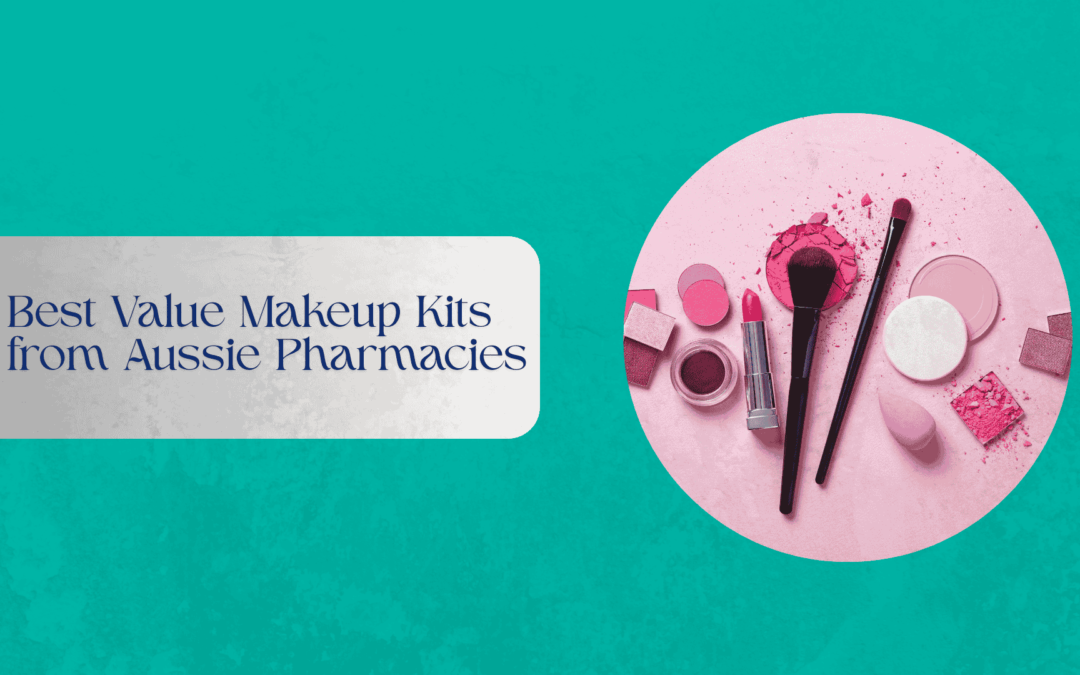
Most value-oriented pharmacy kits include a practical mix of items selected for general appeal. These often cover core categories such as face, eye, and lip products. The emphasis is placed on versatility and everyday usability rather than trend-focused designs.
From a comparison perspective, understanding the cosmetic product inclusions within each kit is essential. Item counts, product formats, and packaging details help determine how well a kit aligns with existing routines. Multi-use items and compact designs are common features, reflecting the convenience-driven nature of pharmacy retail.
Consumers can explore the Makeup Kits category to review how different kits are assembled. For neutral information on cosmetic ingredients and labelling, the TGA cosmetic guidance resources provide authoritative, non-commercial insights.
Comparing Price vs Convenience in Makeup Kits
One of the main reasons shoppers consider kits is the balance between price and convenience. Purchasing a bundled option can simplify the buying process by consolidating multiple items into a single listing. This can be particularly helpful for consumers seeking efficiency rather than customisation.
Assessing price transparency is essential when comparing kits. Reviewing unit sizes, included accessories, and packaging details ensures that value is based on clear information rather than assumptions. Australian pharmacy platforms generally present this information in a structured format, supporting informed comparison.
For broader consumer education around pricing practices, the ACCC offers guidance that applies across retail sectors, including cosmetics and beauty products.
Everyday Use Considerations When Choosing a Kit
Pharmacy makeup kits are commonly designed with everyday routines in mind. This makes them suitable for users who prefer low-maintenance options or consistent product formats. From a value standpoint, everyday usability influences how frequently items are used and replaced.
Evaluating everyday makeup routines involves considering shade suitability, product formats, and storage convenience. Kits that include neutral tones and familiar product types often align well with regular use.
Consumers browsing the Makeup Kits range can compare these practical elements across different offerings. General consumer information on cosmetics is also available through Australian government health and consumer portals.
Packaging, Storage, and Practical Design
Packaging contributes significantly to perceived and practical value. Pharmacy makeup kits often prioritise compact, durable designs that are easy to store or transport. Clear labelling and organised layouts enhance usability.
From an informational standpoint, packaging should display ingredient lists, usage symbols, and expiry indicators. Australian cosmetic regulations support this transparency, enabling consumers to make informed choices.
Comparing cosmetic packaging design across kits helps identify options that balance presentation with practicality. For authoritative labelling standards, consumers may consult publicly available information from the TGA.
Suitability for Different Experience Levels
Pharmacy kits are generally accessible to a wide audience, including those new to makeup and those seeking simplified routines. Clear component labelling and basic usage guidance can support usability without making outcome-based claims.
Assessing beginner-friendly makeup kits focuses on clarity, organisation, and ease of use. Kits that minimise complexity can reduce the need for additional purchases or guesswork.
Consumers can compare options within the Makeup Kits category while referring to neutral consumer education materials from Australian government agencies for general cosmetic information.
Seasonal and Limited-Edition Makeup Kits
Some Australian pharmacies release seasonal or limited-edition kits aligned with gifting periods. These kits may offer variety and convenience, though availability can be time-limited.
When comparing seasonal beauty bundles, shoppers are encouraged to focus on included items and practicality rather than novelty. Reviewing descriptions alongside standard kits helps determine alignment with everyday needs.
General guidance on promotional pricing and consumer awareness is available from the ACCC, supporting informed evaluation across retail categories.
How to Compare Makeup Kits Across Online Pharmacies
Effective comparison involves reviewing consistent criteria such as item count, product types, packaging, and pricing clarity. Pharmacy websites typically support side-by-side browsing, making differences easier to identify.
Using online pharmacy comparisons allows consumers to evaluate options without relying on subjective claims. Navigation through the Makeup Kits range supports structured review.
For additional background on cosmetic regulation, the TGA provides publicly accessible resources outlining consumer expectations for cosmetics sold in Australia.
Making an Informed, Value-Focused Choice
Selecting the best value makeup kit from an Australian pharmacy involves careful, information-based comparison. By focusing on practicality, transparency, and everyday suitability, consumers can identify kits that align with their preferences and routines.
Exploring value-focused beauty shopping through curated pharmacy ranges supports informed decision-making. Consumers may also consult independent resources such as the TGA and ACCC for broader context on cosmetics and consumer rights.
A value-driven approach prioritises clarity, usability, and consistency—key factors in navigating pharmacy makeup kits with confidence.
Frequently Asked Questions (FAQs)
- What factors should be considered when comparing value-focused makeup kits from pharmacies?
- When comparing value-focused options, it is useful to review the number of included items, product formats, packaging design, and price clarity. Looking at full descriptions within the Makeup Kits range allows shoppers to understand what is included without relying on promotional language. Value assessment is best approached by comparing similar kits across pharmacy platforms and considering everyday usability. For general guidance on consumer pricing transparency and fair retail practices, the Australian Competition and Consumer Commission (ACCC) provides authoritative, non-commercial information.
- Are pharmacy makeup kits suitable for people new to makeup?
- Many pharmacy kits are curated with accessibility and simplicity in mind, which can make them suitable for those exploring makeup for the first time. Reviewing beginner-friendly makeup kits helps identify options that prioritise clear labelling, familiar product types, and practical packaging. These characteristics support ease of use without implying outcomes. For general information on cosmetic labelling and consumer expectations, resources from the Therapeutic Goods Administration (TGA) offer neutral guidance relevant to cosmetics sold in Australia.
- How can shoppers compare makeup kits across different online pharmacies?
- Comparing kits across platforms involves reviewing consistent criteria such as item count, product categories, packaging details, and listed prices. Using online pharmacy comparisons allows shoppers to evaluate options side by side in a structured way. Navigating through the Makeup Kits category on pharmacy websites supports this process by grouping similar products together. Additional consumer education on retail comparison and transparency is available through the ACCC, which applies broadly across Australian retail sectors.
- Do seasonal makeup kits offer the same value as standard kits?
- Seasonal options may include varied product combinations or themed packaging, but value assessment should still focus on included items and practicality. Reviewing seasonal beauty bundles alongside standard kits helps determine whether they align with everyday routines. Shoppers are encouraged to compare descriptions and pricing rather than novelty. For general information on promotional pricing and consumer awareness, the ACCC provides independent guidance applicable to cosmetics and other retail products.
Mandatory Disclaimer
“This content is for general informational purposes only and is not intended as medical or professional advice. Always seek the guidance of a qualified professional regarding any questions about personal wellbeing or products.”