by iamrolanddiaz | Dec 24, 2025 | Comparison
Table of Contents
- Introduction
- Understanding Energy Support Products
- Common Forms: Powders vs Capsules
- Convenience and Portability
- Absorption and Bioavailability Considerations
- Usage and Dosage Flexibility
- Ingredient Transparency and Labelling
- Lifestyle Integration Tips
- Cost and Value Considerations
- Conclusion
- Frequently Asked Questions (FAQs)
Introduction
Energy support products are commonly used by Australians seeking general wellbeing and lifestyle support. These products come in various forms, with powders and capsules being among the most popular. Choosing between these formats can depend on convenience, personal preference, and how they fit into daily routines.
For those exploring options, our Energy Support Supplements provide a neutral starting point to understand available choices. Additionally, for accurate guidance on supplement safety, refer to the Therapeutic Goods Administration (TGA), an authoritative source on product standards and labelling requirements.
This article provides neutral, factual insights on the differences between powders and capsules, helping readers make informed, lifestyle-focused decisions.
Understanding Energy Support Products
Energy support products aim to assist individuals in maintaining daily activity levels. In Australia, these products are regulated for safe use, ensuring consumers have access to quality supplements with clear labeling.
While this content does not make health claims, energy support products vary in form, offering distinct characteristics. For a neutral comparison, explore our Energy Support Supplements.
Guidance on product safety and standards is available via the Australian Government Department of Health. Understanding product formats helps consumers select options that suit their routine and lifestyle.
Common Forms: Powders vs Capsules
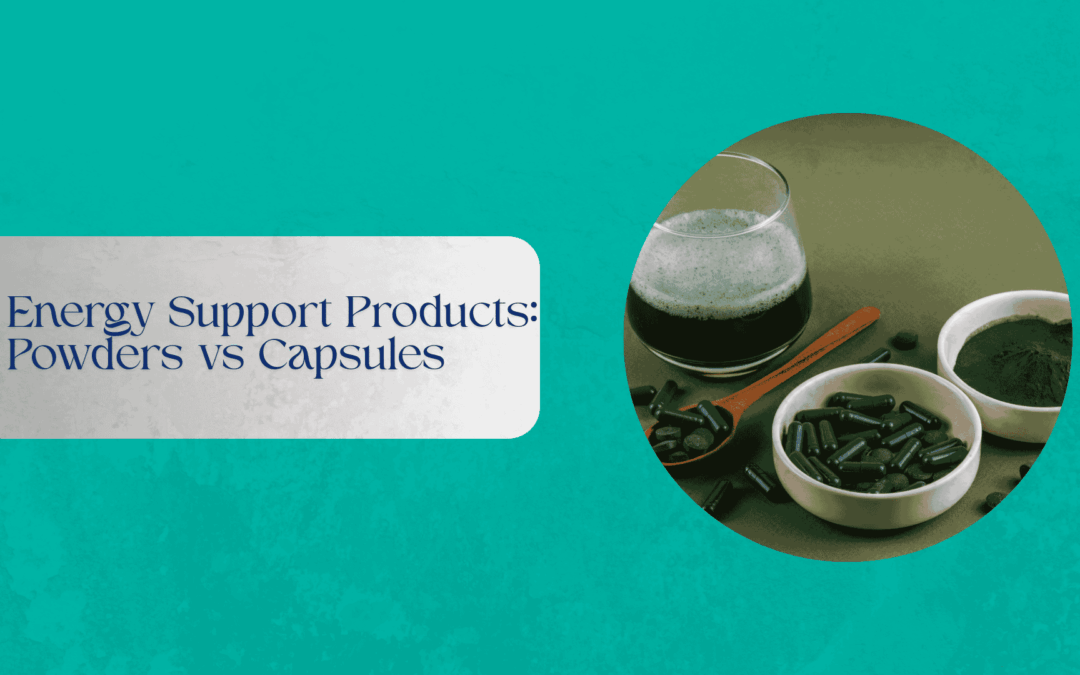
Energy support products are typically offered as powders or capsules. Powders can be mixed with water, smoothies, or other beverages, offering customizable serving sizes. Capsules provide pre-measured doses in a convenient form, requiring minimal preparation.
Each form has advantages related to preference and lifestyle compatibility. For neutral comparisons, our Energy Support Supplements pages provide detailed descriptions.
For credible, neutral advice on supplement use, refer to TGA’s guidance on complementary medicines. Choosing the right format depends on individual routine and convenience.
Convenience and Portability
Capsules are valued for their portability, ease of storage, and on-the-go use. Powders allow flexibility in serving sizes and can be incorporated into drinks or recipes.
Consumers can explore both options in our Energy Support Supplements. For guidance on safe storage, the Australian Government Department of Health provides helpful resources.
Absorption and Bioavailability Considerations
Powders and capsules deliver the same active ingredients, but absorption may differ. Powders dissolve before consumption, which may allow faster ingestion, while capsules release their contents once in the digestive tract.
These differences are technical and do not imply health benefits. Neutral comparisons are available through our Energy Support Supplements.
For evidence-based information, see NIH Office of Dietary Supplements.
Usage and Dosage Flexibility
Powders offer dosage flexibility, allowing users to adjust serving sizes according to preference. Capsules are pre-measured, simplifying dosing but reducing flexibility.
Both formats comply with Australian regulatory standards. Consumers can review neutral product options through our Energy Support Supplements.
Information on dosage considerations is available via the TGA’s consumer guidance.
Ingredient Transparency and Labelling
Transparent labelling is crucial. Both powders and capsules must display ingredients, serving sizes, and allergen information clearly, per Australian law.
Consumers can compare products in our Energy Support Supplements. For additional regulatory details, see TGA labelling guidance.
Lifestyle Integration Tips
Incorporating energy support products depends on format. Powders can be used in smoothies or pre-workout drinks, while capsules suit on-the-go use.
For lifestyle tips and neutral options, explore our Energy Support Supplements. Advice on safe integration is available from the Australian Government Department of Health.
Cost and Value Considerations
Cost may influence choice. Powders may offer more servings for a lower price, while capsules provide convenience at a slightly higher cost.
Consumers can review neutral pricing in the Energy Support Supplements. For independent comparisons, see Choice Australia.
Conclusion
Choosing between powders and capsules depends on personal preference, convenience, and lifestyle integration, not health outcomes. Powders offer flexible dosing; capsules provide portability.
Explore neutral product options in our Energy Support Supplements or Energy & Vitality category. For authoritative guidance, see the TGA.
Frequently Asked Questions (FAQs)
- Q1: Are powders or capsules better for energy support?
A1: Both powders and capsules provide the same ingredients in neutral formats. Powders offer flexibility in serving sizes and can be incorporated into beverages, while capsules provide portability and pre-measured doses for convenience. Choosing between them depends on personal routine and lifestyle preferences. For neutral product options, see our Energy Support Supplements. Authoritative guidance on safe use is available from the TGA.
- Q2: Can energy support powders be taken on the go?
A2: Powders can be pre-mixed in water or smoothies for on-the-go consumption, though capsules are generally more convenient for portability. Both formats meet Australian regulatory standards for labeling and dosage information. Explore our neutral Energy Support Supplements for options suited to your routine. For credible advice on safe use, refer to the Australian Government Department of Health.
- Q3: How should I choose between powders and capsules?
A3: Choice depends on convenience, lifestyle integration, and personal preference rather than health outcomes. Powders allow flexible dosing and can be added to meals or drinks, while capsules are easy to carry and require no preparation. Neutral product options can be viewed in our Energy Support Supplements. Guidance is available from the TGA.
- Q4: Are there differences in absorption between powders and capsules?
A4: Powders dissolve before consumption and may be absorbed slightly faster than capsules, which release contents in the digestive tract. These differences are technical and do not indicate health benefits. For neutral product information, explore our Energy Support Supplements. Credible information on supplement absorption can be found at the NIH Office of Dietary Supplements.
Mandatory Disclaimer
“This content is for general informational purposes only and is not intended as medical or professional advice. Always seek the guidance of a qualified professional regarding any questions about personal wellbeing or products.”
by iamrolanddiaz | Dec 24, 2025 | Comparison
Table of Contents
- Introduction
- What SPF Means
- Differences Between SPF Numbers
- Broad-Spectrum Protection Explained
- How to Apply Sunscreen Correctly
- Reapplication Tips
- Sunscreen for Different Skin Types
- Environmental Considerations
- Choosing the Right SPF Product
- Common Misconceptions
- Conclusion
- Frequently Asked Questions (FAQs) – Understanding SPF Ratings on Australian Sunscreens
Introduction
Understanding SPF ratings is essential for Australians who spend time outdoors. SPF, or Sun Protection Factor, indicates the level of UV protection on sunscreen labels. While SPF primarily addresses UVB rays, Australian regulations ensure broad-spectrum coverage for UVA and UVB. Choosing Sunscreens & SPF Products provides options in lotions, sprays, and sticks suitable for daily outdoor use. Authoritative guidance from the Australian Government SunSmart program helps users understand sun safety and select suitable SPF products. This introduction will lay the foundation for exploring SPF function and effective application.
What SPF Means
SPF, or Sun Protection Factor, measures how long sunscreen can theoretically protect the skin from UVB damage compared to unprotected skin. SPF primarily focuses on UVB rays, while UVA exposure contributes to skin aging. Australian sunscreens must comply with TGA regulations, including accurate SPF labeling and broad-spectrum testing. Selecting Sunscreens & SPF Products with an appropriate SPF ensures everyday sun protection for general outdoor activities.
Differences Between SPF Numbers
SPF numbers are not proportional; SPF 15 blocks ~93% of UVB rays, SPF 30 blocks ~97%, and SPF 50 blocks ~98%. Proper application technique and reapplication are more important than SPF alone. Australians are advised to use at least SPF 30 for routine exposure. Authoritative resources like Cancer Council Australia explain how to interpret SPF ratings safely. Understanding the differences helps consumers make informed sun care choices without overestimating protection.
Broad-Spectrum Protection Explained
Broad-spectrum sunscreens protect against both UVA and UVB radiation. UVA penetrates deeply and contributes to skin aging, while UVB causes sunburn. Australian standards require “broad-spectrum” labeling to indicate adequate UVA coverage. Using Sunscreens & SPF Products meeting these standards ensures comprehensive sun protection. Neutral references, such as ARPANSA, provide factual insights into UV radiation safety.
How to Apply Sunscreen Correctly
Correct sunscreen application ensures the SPF works effectively. Experts recommend applying sunscreen generously to all exposed areas 15–20 minutes before sun exposure. Standard adult application is roughly one teaspoon per limb, plus face and neck. Even high SPF can be less effective if applied sparingly. Sunscreens & SPF Products include clear usage instructions. Guidance from SunSmart provides tips on coverage and protection.
Reapplication Tips
Sunscreen must be reapplied every two hours or after swimming, sweating, or towel drying. Water-resistant products maintain coverage but do not replace reapplication. Neutral tips from the Australian Government Department of Health emphasize pairing sunscreen with clothing and shade. Choosing Sunscreens & SPF Products with clear reapplication guidance supports safer sun practices.
Sunscreen for Different Skin Types
Skin type affects sun exposure needs. Fair skin may require higher SPF, while darker skin still benefits from daily sun protection. Australian regulations mandate neutral, factual labeling without implying health outcomes. Sunscreens & SPF Products cater to sensitive, oily, or dry skin. Neutral guidance from DermNet NZ provides tips for skin type considerations.
Environmental Considerations
Choosing sunscreen responsibly includes environmental safety. Some products are labeled “reef-safe” or free of certain chemicals, important for ocean activities. Neutral guidance from Australian Marine Conservation Society explains eco-friendly sunscreen practices. Selecting Sunscreens & SPF Products that consider environmental impact supports sustainable use while adhering to regulations.
Choosing the Right SPF Product
Selecting the right SPF product depends on exposure, activity, and personal preference. Broad-spectrum protection, water resistance, and format (lotion, spray, stick) are key. Sunscreens & SPF Products are available in multiple options for daily use. Neutral guidance from Cancer Council Australia helps with informed SPF selection without making health claims.
Common Misconceptions
Misconceptions include thinking high SPF eliminates the need for reapplication, or that sunscreen is unnecessary on cloudy days. SPF measures UVB protection, not full sun immunity. Using Sunscreens & SPF Products correctly with additional sun measures promotes informed use. Neutral educational material from SunSmart clarifies these myths.
Conclusion
Understanding SPF ratings and correct sunscreen use promotes safer outdoor practices. Selecting broad-spectrum Sunscreens & SPF Products, following recommended application, and reapplication practices ensures daily sun protection. Neutral resources like Cancer Council Australia and SunSmart provide factual guidance. Complement sunscreen with shade and clothing for comprehensive sun safety.
Frequently Asked Questions (FAQs) – Understanding SPF Ratings on Australian Sunscreens
- What does SPF mean on sunscreen?
- SPF, or Sun Protection Factor, measures how long sunscreen can theoretically protect skin from UVB rays compared to unprotected skin. It indicates the relative level of UV protection, but not UVA coverage. Using Sunscreens & SPF Products correctly helps maintain daily sun safety. For factual guidance, refer to Cancer Council Australia.
- How often should I reapply sunscreen?
- Sunscreen should be reapplied every two hours, or sooner after swimming, sweating, or towel drying. Even water-resistant products require regular reapplication. Combining sunscreen with clothing and shade enhances sun protection. Neutral guidance can be found on SunSmart, and practical options are available via Sunscreens & SPF Products.
- What is broad-spectrum sunscreen?
- Broad-spectrum sunscreens protect against both UVA and UVB radiation. UVA contributes to skin aging, while UVB causes sunburn. In Australia, “broad-spectrum” labeling meets strict regulatory standards. Choosing Sunscreens & SPF Products with this label supports balanced sun coverage. External neutral references include ARPANSA.
- Do I need different SPF for different skin types?
- Yes, skin type affects sunscreen needs. Fairer skin may require higher SPF, while darker skin still benefits from daily protection. Sunscreens & SPF Products cater to sensitive, dry, or oily skin. Neutral guidance on skin types and sun protection is available at DermNet NZ.
- Are all sunscreens safe for the environment?
- Some sunscreens contain chemicals that can affect marine life. Products labeled reef-safe or eco-friendly are preferable for water activities. Sunscreens & SPF Products offer environmentally conscious options. Neutral guidance on ecological impact is provided by the Australian Marine Conservation Society.
- Can I rely on high SPF to stay in the sun longer?
- Higher SPF provides incremental protection, but it does not eliminate the need for reapplication or additional sun protection measures. Even SPF 50 should be applied properly and combined with shade and protective clothing. Authoritative external guidance is available via SunSmart, and compliant products are available in Sunscreens & SPF Products.
Mandatory Disclaimer
“This content is for general informational purposes only and is not intended as medical or professional advice. Always seek the guidance of a qualified professional regarding any questions about personal wellbeing or products.”
by iamrolanddiaz | Dec 24, 2025 | Comparison
Table of Contents
- Introduction
- What Are Plant-Based Supplements?
- Common Types of Plant-Based Supplements
- Choosing the Right Product for Daily Use
- Quality Assurance and Labelling Standards
- Online Shopping: Convenience and Considerations
- Understanding Dosage and Instructions
- Integrating Plant-Based Supplements into Lifestyle
- Storage and Shelf Life Guidelines
- Sustainable and Ethical Sourcing
- Conclusion
- Frequently Asked Questions (FAQs)
Introduction
Plant-based supplements have grown in popularity among Australians exploring neutral wellness options. Derived from herbs, botanicals, and other natural ingredients, these products offer convenience for daily routines without making therapeutic claims. For guidance, check the Plant-Based Supplements product range from licensed Australian pharmacies.
Authoritative external resources, such as the Australian Government’s TGA website, provide neutral information about labelling, safety, and approved uses. Shopping online can enhance accessibility but requires attention to product quality, transparency, and reputable sourcing. This blog provides an overview of botanical blends, herbal supplements, and other plant-based products, helping readers make informed decisions.
What Are Plant-Based Supplements?
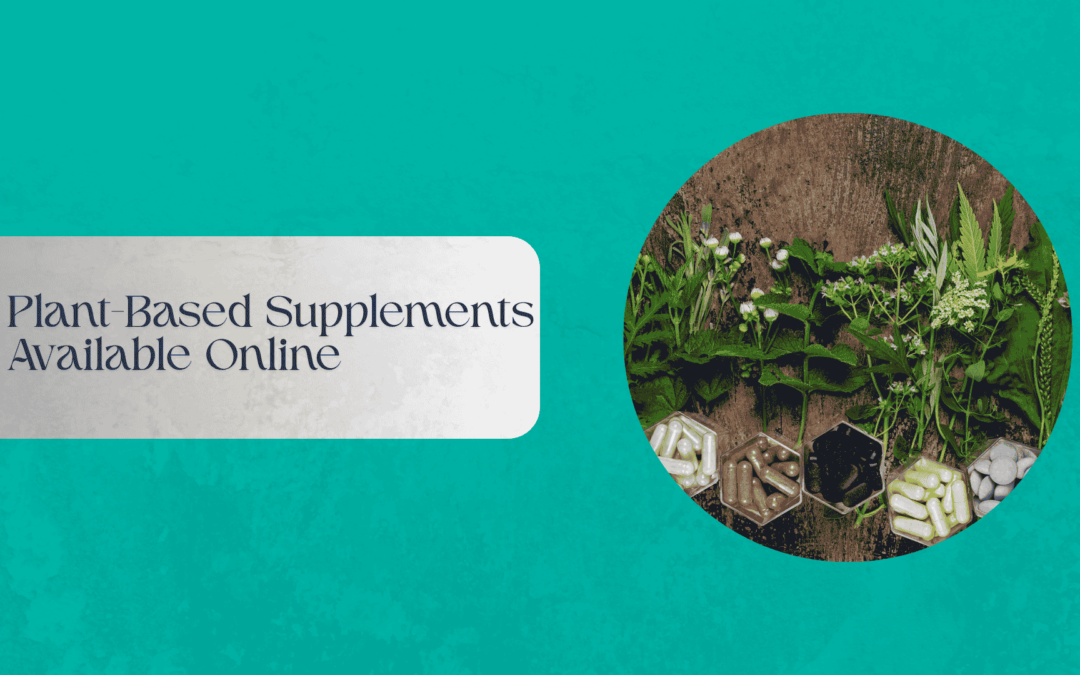
Plant-Based Supplements are products created from herbs, whole plants, or botanical extracts. Common forms include herbal supplements and botanical blends like turmeric, spirulina, and green tea. These products are intended for daily use and lifestyle support, without claims of preventing or curing health conditions.
The TGA regulates these products in Australia, ensuring safety and labelling accuracy. Neutral guidance on complementary medicines is available from Health.gov.au. When shopping online, consumers should verify the source is reputable, with clear ingredient listings and regulatory compliance.
Common Types of Plant-Based Supplements
Plant-based supplements come in capsules, powders, tablets, and liquid extracts. Popular categories include herbal supplements, botanical blends, and powders with natural ingredients.
Guidance can be found in the Plant-Based Supplements product range. Resources such as the National Centre for Complementary and Integrative Health (NCCIH) provide neutral information on commonly used botanicals. Consumers can choose based on personal preference, ease of use, and integration into daily routines.
Choosing the Right Product for Daily Use
When selecting plant-based supplements, consider transparency, labelling, and retailer reputation. Products suitable for daily use should clearly list ingredients and provide safety guidance.
Plant-Based Supplements range provide approved options. References like TGA guidance offer neutral oversight of formulations. By focusing on quality and regulatory compliance, consumers can select products with confidence for lifestyle support.
Quality Assurance and Labelling Standards
Ensuring quality assurance is critical when purchasing plant-based supplements. Products must comply with TGA regulations, with accurate labelling and manufacturing controls.
Pages such as Plant-Based Supplements range often include batch testing or ingredient transparency details. Guidance from Health.gov.au helps consumers interpret labels and verify safe, neutral use. Accurate labelling supports informed purchasing decisions without implying health outcomes.
Online Shopping: Convenience and Considerations
Online shopping makes plant-based supplements accessible and convenient, but consumers should ensure products come from licensed Australian pharmacies. Check ingredient transparency, labelling, and retailer reliability.
Plant-Based Supplements range help users find approved options. Resources like TGA advice provide neutral guidance for safe online purchasing. Consumers should avoid products making unverified claims, focusing on verified safety and transparency.
Understanding Dosage and Instructions
Following dosage instructions ensures safe and consistent use of plant-based supplements. Labels often include recommended servings and frequency.
Plant-Based Supplements range provide product-specific instructions. Guidance from Health.gov.au emphasizes adherence to label instructions for safety. Consumers should avoid altering dosages or combining multiple supplements without proper information.
Integrating Plant-Based Supplements into Lifestyle
Plant-based supplements can complement a balanced routine without implying therapeutic benefits. Integration into lifestyle habits such as balanced meals, hydration, and activity promotes ease of use.
Plant-Based Supplements range guide consumers to approved products. Resources like Health.gov.au provide neutral information on safe use. Focus on convenience, consistency, and lifestyle alignment, rather than health claims.
Storage and Shelf Life Guidelines
Proper storage ensures product integrity. Keep supplements in cool, dry areas away from light and moisture, following label guidance.
References like TGA guidance provide authoritative advice. Plant-Based Supplements range reinforce product-specific storage information. Check expiry dates and avoid extreme temperatures to maintain quality.
Sustainable and Ethical Sourcing
Consumers may prioritize sustainable sourcing when choosing plant-based supplements. Ethical practices include environmentally responsible harvesting and manufacturing.
Plant-Based Supplements range guide users to approved products. Sources like Australian Government environmental guidance provide neutral, credible information. Sustainability aligns with lifestyle choices rather than health claims.
Conclusion
Plant-based supplements provide convenient options for Australians seeking neutral lifestyle support. By focusing on quality assurance, daily use, online shopping safety, and sustainable sourcing, consumers can make informed choices.
Plant-Based Supplements range allow exploration of approved products. Guidance from TGA provides regulatory assurance. Consumers should emphasize transparency, adherence to instructions, and ethical considerations rather than therapeutic outcomes.
Explore the Plant-Based Supplements range for neutral options supporting everyday wellness.
Frequently Asked Questions (FAQs)
- Q1: Are plant-based supplements regulated in Australia?
Yes, the TGA regulates complementary medicines, including plant-based supplements, ensuring safety, labelling accuracy, and approved manufacturing practices. Learn more at TGA Complementary Medicines.
- Q2: Can I buy plant-based supplements online safely?
Yes, by purchasing from licensed Australian pharmacies and trusted retailers. Always check ingredient transparency, expiry dates, and labelling.
- Q3: How should I store plant-based supplements?
Store in a cool, dry place, away from sunlight and moisture, and follow instructions on the product label to maintain quality.
- Q4: Do plant-based supplements have a specific dosage?
Follow the instructions on the product label. Dosages vary by formulation, and external guidance from Health.gov.au can help understand safe use.
- Q5: Are plant-based supplements suitable for everyone?
They are designed for general lifestyle use. Individual suitability may depend on dietary preferences, allergies, or medical considerations. Always consult a qualified professional if unsure.
Mandatory Disclaimer
“This content is for general informational purposes only and is not intended as medical or professional advice. Always seek the guidance of a qualified professional regarding any questions about personal wellbeing or products.”
by iamrolanddiaz | Dec 24, 2025 | Comparison
Table of Contents
- Introduction
- Understanding Bone Health
- Types of Calcium Products
- Vitamin D and Bone Function
- Magnesium & Other Supporting Minerals
- Choosing the Right Product Form
- Daily Lifestyle Considerations
- Age-Specific Needs
- Common Myths About Bone Health
- Conclusion
- Frequently Asked Questions (FAQs) – Calcium & Bone Support Categories
Introduction
Maintaining strong bones is an important part of overall wellbeing, and many Australians explore different calcium and bone support products to meet daily dietary requirements. While individual needs vary, understanding the main product categories can help you make informed choices.
For additional guidance on nutrition and bone health, you can refer to the Australian Government’s Eat for Health guidelines. Meanwhile, you can explore a range of Calcium & Bone Supplements available from Australian pharmacies to see product formats, ingredients, and general information.
This article is strictly informational and does not provide medical or therapeutic advice.
Understanding Bone Health
Bone health involves maintaining adequate bone density and structure throughout life. Factors such as age, diet, and activity levels influence skeletal wellbeing. While calcium is a well-known nutrient associated with bones, other nutrients and lifestyle considerations contribute to maintaining strength.
Bone health is supported by a balanced intake of minerals like calcium, magnesium, and phosphorus. Australian dietary guidelines recommend consuming a variety of foods rich in these nutrients. For neutral educational information, see National Health and Medical Research Council (NHMRC) resources.
Types of Calcium Products
Calcium products vary in form and source, including carbonate, citrate, and phosphate forms. Each type is absorbed differently and may suit particular dietary or lifestyle needs.
In Australia, pharmacies stock Calcium & Bone Supplements in multiple formats, allowing consumers to select options based on convenience or preference. Neutral, non-therapeutic product information is available through TGA medicine information, which provides details on approved supplement categories.
Vitamin D and Bone Function
Vitamin D helps the body absorb calcium from food. Many calcium and bone support products include vitamin D as a supporting nutrient.
For reliable Australian information about vitamin D, refer to the Department of Health guidance. Including vitamin D in a balanced diet can support general bone nutrient intake.
Magnesium & Other Supporting Minerals
Alongside calcium and vitamin D, minerals like magnesium, phosphorus, and trace elements contribute to the overall composition of bone tissue. Products may include these nutrients to provide neutral, comprehensive dietary support.
For educational guidance, consult Eat for Health – Minerals. Pharmacies typically provide Calcium & Bone Supplements with clear labeling of minerals and nutrient content.
Choosing the Right Product Form
Calcium and bone support products are available in tablets, chewables, liquids, and powders. The choice depends on personal preference, lifestyle, and convenience.
For neutral guidance, compare different product forms on Calcium & Bone Supplements pages. Australian guidelines encourage reviewing nutrition sources and product labels to support everyday intake requirements, aligning with TGA-approved product information.
Daily Lifestyle Considerations
Bone health is influenced not only by nutrient intake but also by physical activity, balanced diet, and lifestyle habits. Engaging in weight-bearing exercise and consuming nutrient-rich foods contributes to skeletal wellbeing.
For neutral advice, the Australian Government’s Physical Activity Guidelines provide educational insights. Pairing lifestyle habits with Calcium & Bone Supplements can support general dietary intake.
Age-Specific Needs
Different life stages may have different dietary calcium requirements. For example, adolescents and older adults may require higher intake for general nutritional support. Neutral guidance is available from Eat for Health – Age-Specific Guidelines.
Pharmacies stock a variety of Calcium & Bone Supplements targeting different age groups. Always focus on informational use, rather than health outcomes.
Common Myths About Bone Health
Many myths exist about calcium, supplements, and bone strength. Neutral content clarifies general information without making health claims. Misconceptions like “more is always better” can be addressed with reference to NHMRC resources.
Neutral product categories like Calcium & Bone Supplements provide general nutrient support for educational purposes.
Conclusion
Understanding calcium and bone support categories helps Australians make informed, neutral decisions about dietary support. Key nutrients include calcium, vitamin D, magnesium, and other minerals, available in tablets, liquids, and chewables.
Neutral, information-focused resources such as the Australian Government Eat for Health guidelines provide education on nutrient intake. Explore Calcium & Bone Supplements to view product formats and general content information.
Frequently Asked Questions (FAQs) – Calcium & Bone Support Categories
- Q1: How much calcium do Australians need each day?
A: Daily calcium requirements vary by age and life stage. Adolescents, adults, and older adults have different recommended intakes for general dietary support. For neutral guidance, refer to the Australian Government Eat for Health – Calcium guidelines. You can explore Calcium & Bone Supplements to view neutral product options that help meet daily nutrient intake without implying therapeutic benefits.
- Q2: Can calcium supplements be taken with other nutrients?
A: Many calcium products include supporting nutrients such as magnesium or vitamin D. These combinations are offered to provide neutral dietary support. For authoritative guidance on nutrient interactions, see the TGA medicine information. You can also review different Calcium & Bone Supplements available in various formats.
- Q3: What are the main forms of calcium supplements?
A: Calcium is commonly available as carbonate, citrate, or phosphate. Each form may differ in how it is absorbed, but all are intended to support general nutrient intake. Neutral product information can be found via Calcium & Bone Supplements or through TGA resources, providing factual details without health claims.
- Q4: Are there age-specific calcium products?
A: Certain products are marketed for different life stages, such as adolescents, adults, or older adults, focusing on neutral nutrient content. For guidance on age-appropriate intake, see Eat for Health – Age-Specific Guidelines. Explore Calcium & Bone Supplements to view products labeled for age-specific informational support.
- Q5: Can lifestyle choices affect bone health?
A: Lifestyle factors such as regular physical activity and balanced diet contribute to maintaining bone strength. For educational, non-medical guidance, consult the Australian Government Physical Activity Guidelines. Combining lifestyle habits with neutral Calcium & Bone Supplements can help support general nutrient intake.
Mandatory Disclaimer
“This content is for general informational purposes only and is not intended as medical or professional advice. Always seek the guidance of a qualified professional regarding any questions about personal wellbeing or products.”
by iamrolanddiaz | Dec 24, 2025 | Comparison
Table of Contents
- Introduction
- Hydration Basics for Summer
- Sun Protection Essentials
- Skin Cooling and Comfort Tips
- Travel-Friendly OTC Self-Care
- Maintaining Hand & Foot Care
- Stress-Free Relaxation Techniques
- Healthy Snacking and Hydration
- Seasonal OTC Essentials Checklist
- Conclusion
- Frequently Asked Questions (FAQs) – Simple Summer Self-Care Using OTC Products
Introduction
Summer can bring both joy and challenges, especially when it comes to maintaining comfort, wellbeing, and overall self-care. A simple approach to summer self-care combines everyday habits, lifestyle strategies, and carefully chosen OTC Self-Care Products to support your routine.
This blog provides a neutral, informative guide to practical ways Australians can enjoy the summer months while staying comfortable and prepared. From hydration and sun safety to skin comfort and travel-friendly essentials, each tip focuses on easy-to-follow strategies suitable for everyday life. External sources like the Australian Government’s summer guidance offer authoritative advice.
Hydration Basics for Summer
Staying hydrated is a cornerstone of summer wellness. Water intake, alongside light, hydrating foods such as fruits and vegetables, helps maintain comfort. OTC Self-Care Products, including electrolyte solutions, provide neutral support for outdoor activities.
The Australian Government: Water and Hydration emphasizes drinking throughout the day. Simple lifestyle strategies like keeping a water bottle, choosing water-rich snacks, and monitoring thirst cues support everyday hydration without making health claims.
Sun Protection Essentials
Sun exposure increases during summer, making protective measures essential for skin health. Using broad-spectrum sunscreen, hats, and sunglasses are neutral approaches to reducing sun exposure.
The Cancer Council Australia: Sun Safety provides authoritative advice. Integrating sunscreen application into daily routines supports neutral summer comfort while enjoying outdoor activities.
Skin Cooling and Comfort Tips
Hot weather can increase skin sensitivity. Neutral practices like cool compresses, breathable clothing, and shaded areas help maintain skin comfort. OTC moisturizers and cooling gels complement these lifestyle routines.
Resources such as the Royal Women’s Hospital: Hot Weather Skin Care provide neutral recommendations to avoid irritation. Combining lifestyle strategies with OTC moisturizers enhances comfort without therapeutic claims.
Travel-Friendly OTC Self-Care
Summer travel requires practical self-care solutions. Travel-sized OTC Self-Care Products like hand creams, lip balms, and moisturizers simplify routines on the go.
Advice from Travel Health & Safety Australia recommends packing essentials, staying hydrated, and following neutral lifestyle precautions. This ensures your summer self-care remains consistent while traveling.
Maintaining Hand & Foot Care
Warm weather can lead to dryness or discomfort in hands and feet. Gentle cleansing, breathable footwear, and neutral OTC creams support summer skin comfort.
The Australian Podiatry Association: Summer Foot Care suggests simple hygiene routines for comfort. Including these neutral practices in daily life helps Australians maintain foot care without making therapeutic claims.
Stress-Free Relaxation Techniques
Relaxation and mindfulness support overall wellbeing. Simple techniques like stretching, meditation, or walks provide neutral benefits. OTC products such as aromatherapy oils or soothing gels can complement these routines.
Guidance from Beyond Blue: Relaxation Techniques offers neutral tips for everyday stress management. Incorporating relaxation with OTC essentials creates a balanced summer self-care routine.
Healthy Snacking and Hydration
Nutritious snacking and adequate hydration enhance daily self-care. Fresh fruits, vegetables, and light snacks provide neutral, practical ways to stay refreshed. OTC Self-Care Products, like hydrating sprays or lip balms, can complement these lifestyle choices.
The Nutrition Australia: Summer Eating Tips emphasizes neutral strategies for seasonal nutrition. Keeping healthy snacks accessible ensures summer routines are practical and enjoyable.
Seasonal OTC Essentials Checklist
A checklist ensures consistent summer self-care. Include sunscreen, hand cream, lip balm, and other neutral OTC Self-Care Products in your routine.
The Australian Red Cross: Summer Safety Checklist provides neutral guidance for safe summer practices. Keeping a checklist supports convenience and everyday wellbeing.
Conclusion
Simple summer self-care combines lifestyle strategies with neutral OTC products. From hydration and sun protection to skin comfort and travel-ready solutions, Australians can maintain daily self-care conveniently and safely.
External resources such as the Australian Government’s summer health guidance ensure routines remain practical. By integrating lifestyle tips with OTC Self-Care Products, summer self-care becomes a manageable and enjoyable habit.
Suggested CTAs:
Explore our OTC Self-Care Products for summer essentials
Learn more about Lifestyle Wellness routines
Frequently Asked Questions (FAQs) – Simple Summer Self-Care Using OTC Products
- Q1: How can I stay hydrated during summer?
Maintaining hydration is a key part of neutral summer self-care. Drinking water regularly, consuming water-rich foods like fruits and vegetables, and keeping a reusable bottle handy are simple lifestyle strategies. Complementing these habits with travel-sized OTC Self-Care Products can be convenient. For authoritative guidance, see Australian Government: Water and Hydration.
- Q2: What OTC products are useful for summer travel?
Travel-friendly self-care can make summer trips more convenient. Compact items such as moisturizers, hand creams, lip balms, and basic hygiene products are ideal. Using OTC Self-Care Products in travel sizes ensures routines stay consistent. Neutral advice on summer travel and packing can be found at Travel Health & Safety Australia.
- Q3: How do I protect my skin from the sun without making health claims?
Neutral sun safety practices include applying broad-spectrum sunscreen, wearing hats and sunglasses, and seeking shade during peak UV hours. OTC Self-Care Products like sunscreen can support these routines without claiming prevention or therapy. For authoritative information, refer to Cancer Council Australia: Sun Safety.
- Q4: What simple steps can I take for skin comfort in hot weather?
Neutral strategies include cool showers, breathable clothing, shaded environments, and gentle moisturizers. OTC Self-Care Products such as cooling gels or neutral moisturizers can complement these practices. The Royal Women’s Hospital: Skin Care in Hot Weather provides additional neutral guidance for summer skin comfort.
- Q5: How do I maintain hand and foot comfort during summer?
Simple routines like washing and moisturizing hands and feet, wearing breathable footwear, and keeping skin cool are effective neutral strategies. Travel-sized OTC Self-Care Products can help maintain comfort on the go. The Australian Podiatry Association: Summer Foot Care provides neutral tips for foot care in warmer months.
Mandatory Disclaimer
“This content is for general informational purposes only and is not intended as medical or professional advice. Always seek the guidance of a qualified professional regarding any questions about personal wellbeing or products.”