Table of Contents
- Understanding Organic Hair Care in Australia
- What “Organic” Means in Hair Care Products
- Certification and Labelling Standards in Australia
- Common Ingredients Found in Organic Hair Care
- Why Australian Consumers Explore Organic Hair Care Options
- Organic Hair Care and Different Hair Types
- Australian Climate Considerations for Hair Care Choices
- Availability of Organic Hair Care Brands Through Pharmacies
- Reading Ingredient Lists With Confidence
- Sustainability and Ethical Considerations in Organic Hair Care
- Making Informed Hair Care Choices
- Frequently Asked Questions (FAQs): Organic Hair Care in Australia
Understanding Organic Hair Care in Australia
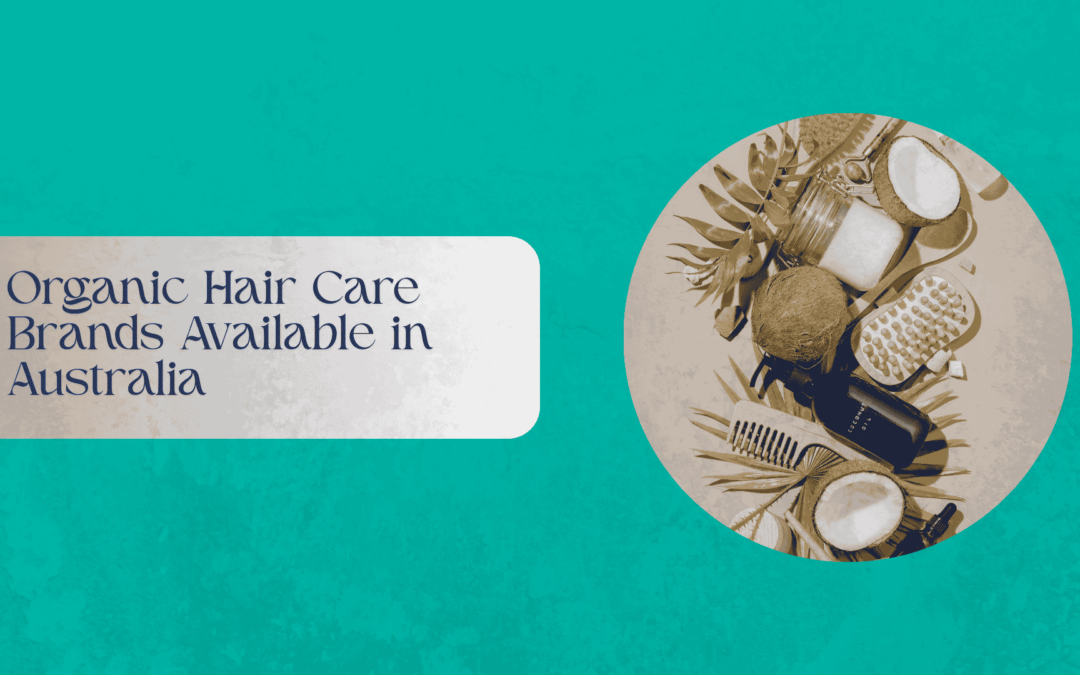
Interest in organic hair care brands in Australia has increased as consumers seek greater transparency around ingredients, sourcing, and product labelling. Within pharmacy environments, organic hair care is presented as an informational category rather than a solution-driven one, allowing consumers to explore options without implied outcomes or benefits.
When browsing Organic Hair Care Products, shoppers typically encounter shampoos, conditioners, and styling products that highlight plant-derived ingredients or certified sourcing practices. Australian pharmacies structure these listings to support informed decision-making while remaining compliant with consumer and advertising regulations.
Understanding how organic hair care is defined, labelled, and regulated can help consumers navigate this category confidently. Authoritative information about cosmetic labelling and marketing claims is available through the Australian Competition and Consumer Commission (ACCC), which provides guidance on truthful and non-misleading representations.
This article outlines how organic hair care brands are positioned in Australia, what certifications may apply, and how pharmacy platforms support neutral access to these products.
What “Organic” Means in Hair Care Products
The term what organic means in hair care generally refers to ingredients sourced from plants grown under specific agricultural standards. These standards often limit the use of synthetic chemicals during cultivation, though the exact definition can vary between certification bodies.
In Australia, hair care products are classified as cosmetics rather than therapeutic goods. As a result, “organic” is not a regulated medical term but a descriptive one that must still comply with consumer law. Brands are required to ensure that any organic claims accurately reflect ingredient sourcing and formulation practices.
Pharmacies present organic hair care as a category based on ingredient origin rather than product performance. Consumers seeking further clarity can refer to Australian Government information on cosmetic regulation provided by the Department of Health and Aged Care.
This neutral presentation ensures transparency while avoiding implied outcomes or suitability claims.
Certification and Labelling Standards in Australia
Some organic hair care products display recognised certification logos to indicate compliance with specific sourcing or production standards. These certifications may relate to ingredient percentages, agricultural methods, or manufacturing processes.
Understanding organic certification Australia cosmetics helps consumers distinguish between marketing language and verified standards. Certification for cosmetics is voluntary, but any claims made must be accurate and not misleading under Australian Consumer Law.
The ACCC provides clear guidance on how product claims should be interpreted, including terms such as “organic,” “natural,” or “made with organic ingredients.” Pharmacies rely on this framework when categorising and presenting hair care products.
By offering certified and clearly labelled options, pharmacy platforms support consumer confidence without endorsing or promoting specific claims.
Common Ingredients Found in Organic Hair Care
Organic hair care formulations often include plant-based components such as botanical extracts, plant oils, and naturally derived fragrances. These ingredients are typically selected based on their source rather than their effect.
The plant-derived hair care ingredients used in cosmetics are listed using the International Nomenclature of Cosmetic Ingredients (INCI) system. This standardised naming format allows consumers to compare products consistently across brands.
In Australia, information about cosmetic ingredients is overseen by the Australian Industrial Chemicals Introduction Scheme (AICIS), which provides public guidance on chemical use in consumer products.
Pharmacies display full ingredient lists to ensure transparency and enable informed browsing.
Why Australian Consumers Explore Organic Hair Care Options
Interest in why choose organic hair care often reflects broader consumer values such as sustainability awareness, ingredient transparency, and ethical sourcing considerations.
Australian pharmacies present organic hair care products alongside conventional options without comparative or outcome-based language. This ensures that consumers can explore preferences without being influenced by unsupported claims.
Educational resources from Sustainability Victoria offer general information on sustainable consumer practices, helping shoppers contextualise product choices within broader lifestyle considerations.
This approach supports awareness while maintaining compliance and neutrality.
Organic Hair Care and Different Hair Types
Many organic hair care brands categorise products by general hair characteristics such as dry, oily, or colour-treated hair. These descriptors are informational and do not imply results or suitability.
Understanding organic hair care for hair types involves reviewing ingredient lists and product descriptions rather than relying on assumptions. Pharmacies avoid personalised recommendations, instead offering standardised information supplied by manufacturers.
General educational material about hair structure is available through Healthdirect Australia, which provides neutral explanations without offering advice or treatment guidance.
This supports consumer understanding while respecting regulatory boundaries.
Australian Climate Considerations for Hair Care Choices
Australia’s varied climate can influence consumer preferences when selecting hair care products. Temperature, humidity, and seasonal changes are often considered alongside personal routines.
Exploring Australian climate hair care considerations provides context rather than direction. Pharmacies do not promote specific formulations based on location or weather, maintaining a consistent national presentation.
General climate data is available from the Bureau of Meteorology, offering factual information that consumers may independently consider.
This neutral approach ensures clarity without implication.
Availability of Organic Hair Care Brands Through Pharmacies
Australian pharmacies provide access to a curated range of organic hair care brands through online and physical stores. Products are selected based on supplier transparency, regulatory compliance, and consumer demand.
The pharmacy organic hair care range is presented with standardised descriptions, ingredient disclosures, and usage information. This consistency supports trust and ease of navigation.
Pharmacies do not compare brands or promote outcomes, ensuring that listings remain informational.
Reading Ingredient Lists With Confidence
Knowing how to interpret ingredient lists is essential when exploring organic hair care options. Ingredients are listed in descending order by concentration, helping consumers understand formulation structure.
Learning how to read cosmetic ingredient lists allows shoppers to align choices with personal preferences. Australian Government guidance on cosmetic labelling explains naming conventions and disclosure requirements.
Pharmacies present ingredient information exactly as supplied by manufacturers to maintain transparency and compliance.
Sustainability and Ethical Considerations in Organic Hair Care
Sustainability is frequently associated with organic hair care branding. Topics such as packaging materials, sourcing practices, and manufacturing transparency are commonly referenced.
Understanding sustainability in organic hair care involves reviewing brand disclosures rather than assuming environmental impact. Pharmacies do not verify or rank sustainability claims but rely on accurate labelling.
General environmental information is available from the Department of Climate Change, Energy, the Environment and Water, offering educational context.
Making Informed Hair Care Choices
Organic hair care brands available in Australia provide consumers with options focused on ingredient sourcing and transparency. Within pharmacy settings, these products are presented neutrally, ensuring compliance with Australian law and consumer expectations.
By understanding certifications, ingredient lists, and regulatory frameworks, shoppers can make informed decisions aligned with personal preferences. Browsing Organic Hair Care Products may also encourage exploration of related hair care categories for comparison.
For authoritative guidance on cosmetic claims and consumer rights, the ACCC remains a trusted reference. This informational approach supports confident, compliant product exploration.
Frequently Asked Questions (FAQs): Organic Hair Care in Australia
- What defines an organic hair care product in Australia?
- An organic hair care product is generally defined by ingredient sourcing rather than mandatory certification. In Australia, cosmetic products must comply with consumer law, ensuring that organic claims are truthful and not misleading. Certification is voluntary, and consumers are encouraged to review ingredient lists and labelling carefully.
- Are organic hair care products regulated differently from other cosmetics?
- No. Organic hair care products follow the same regulatory framework as all cosmetics in Australia. They must meet safety, labelling, and consumer protection requirements. Information about cosmetic regulation is available through the Department of Health and Aged Care.
Mandatory Disclaimer
“This content is for general informational purposes only and is not intended as medical or professional advice. Always seek the guidance of a qualified professional regarding any questions about personal wellbeing or products.”